Wing Luke Museum: A Guided Tour of an Immigrant Hotel
Wing Luke was a pioneering Chinese American lawyer, civil rights advocate, and the first Asian American elected to public office in Washington State. When he died in a small aircraft accident in 1965, the community formed the Wing Luke Museum in his honor. It celebrates Asian-American history and culture, and owns a hotel it purchased to display the lives of early immigrants.
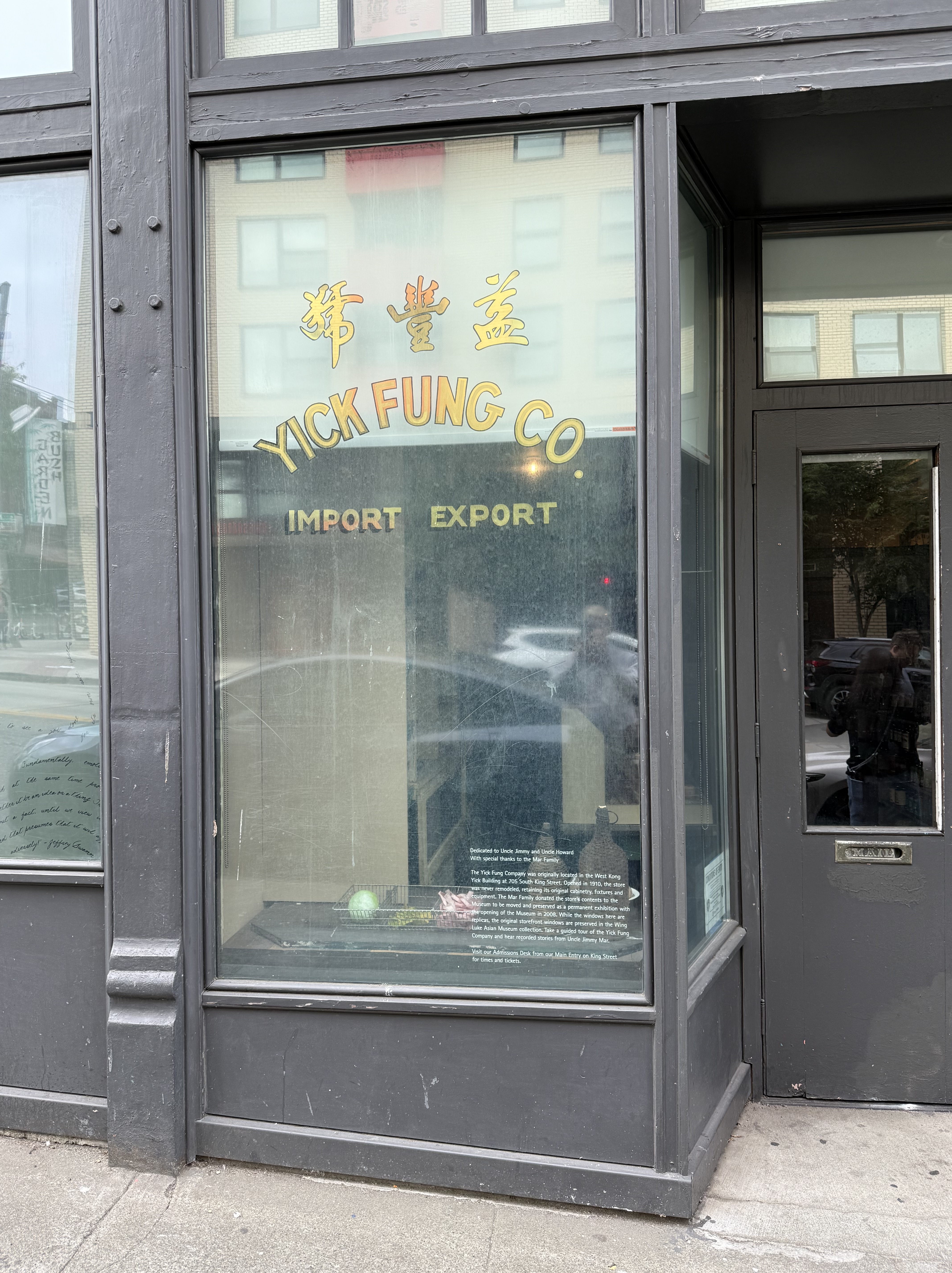
The Yick Fung Corporation was formed by a group of Chinese immigrants because they were legally forbidden from owning property in Washington. This store served as a supplier to restaurants throughout Washington.
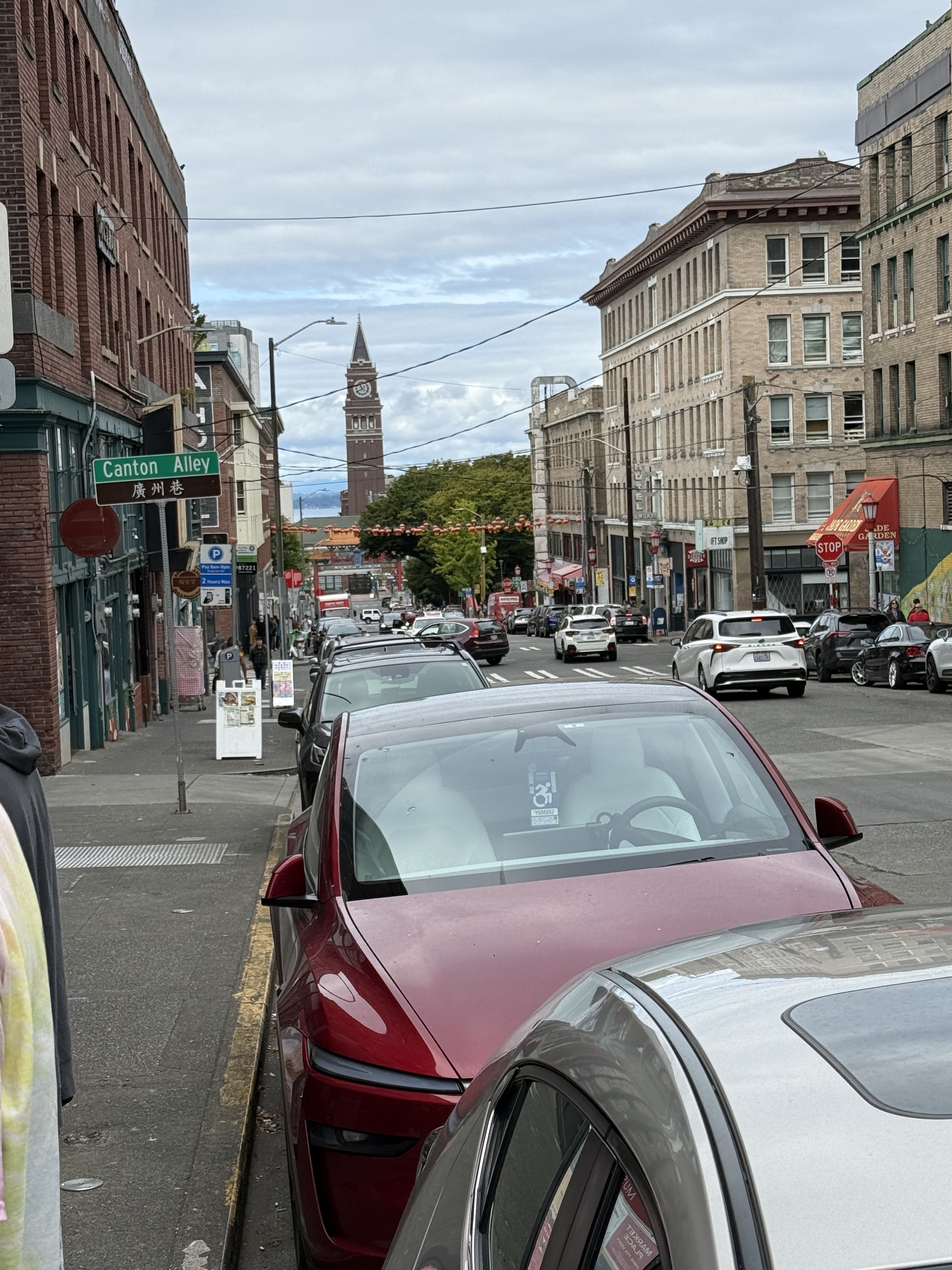
South Weller Street led directly to the tidal flats where the church steeple stands today. As part of a downtown reshaping, several hills were flattened and the soil used to fill in the nearshore area.
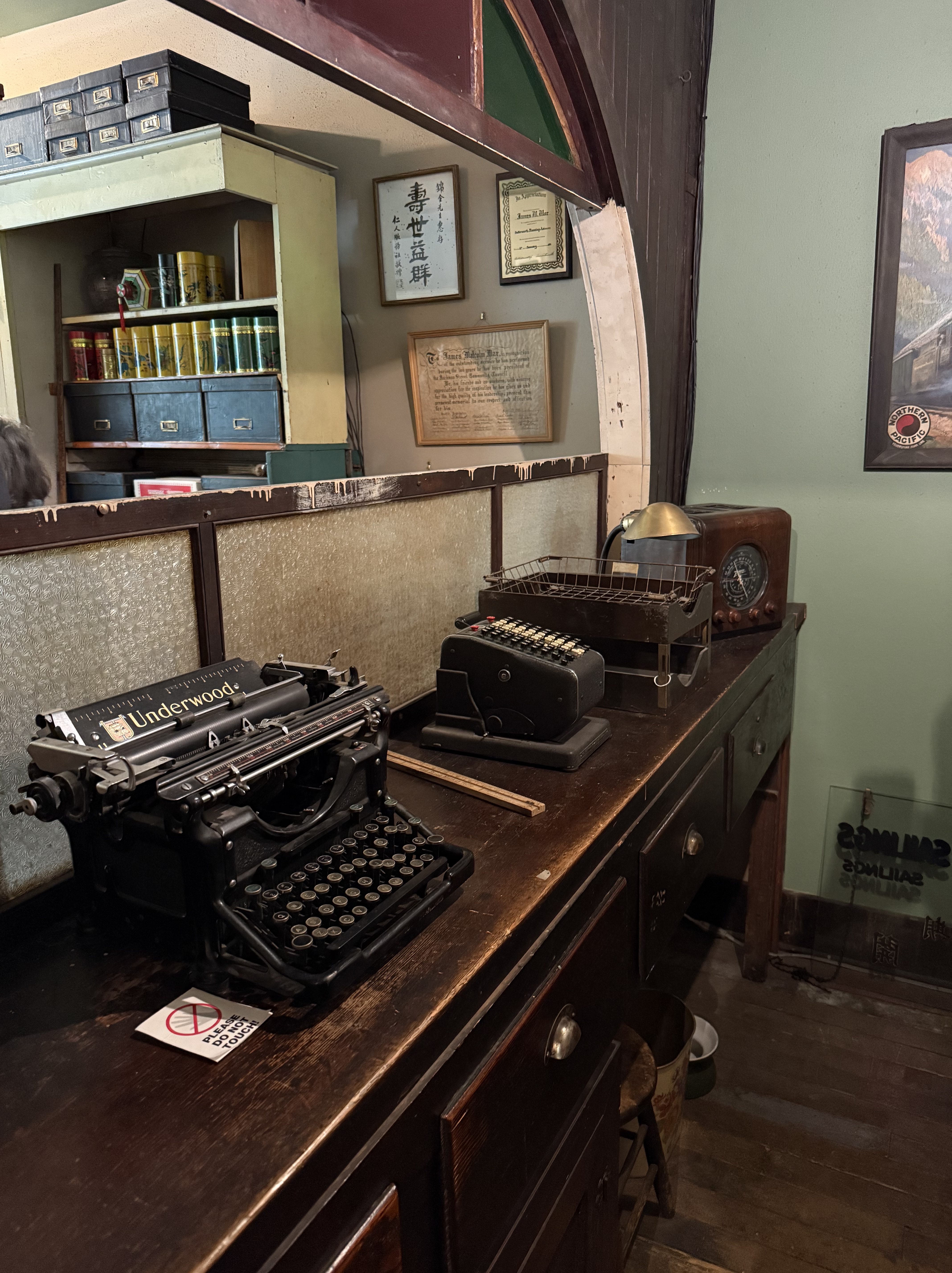
In addition to supplying regional restaurants, you could buy a third-class ticket to Hong Kong (or maybe Shanghai) for $1500 in today’s money. The store remained open until 2008.
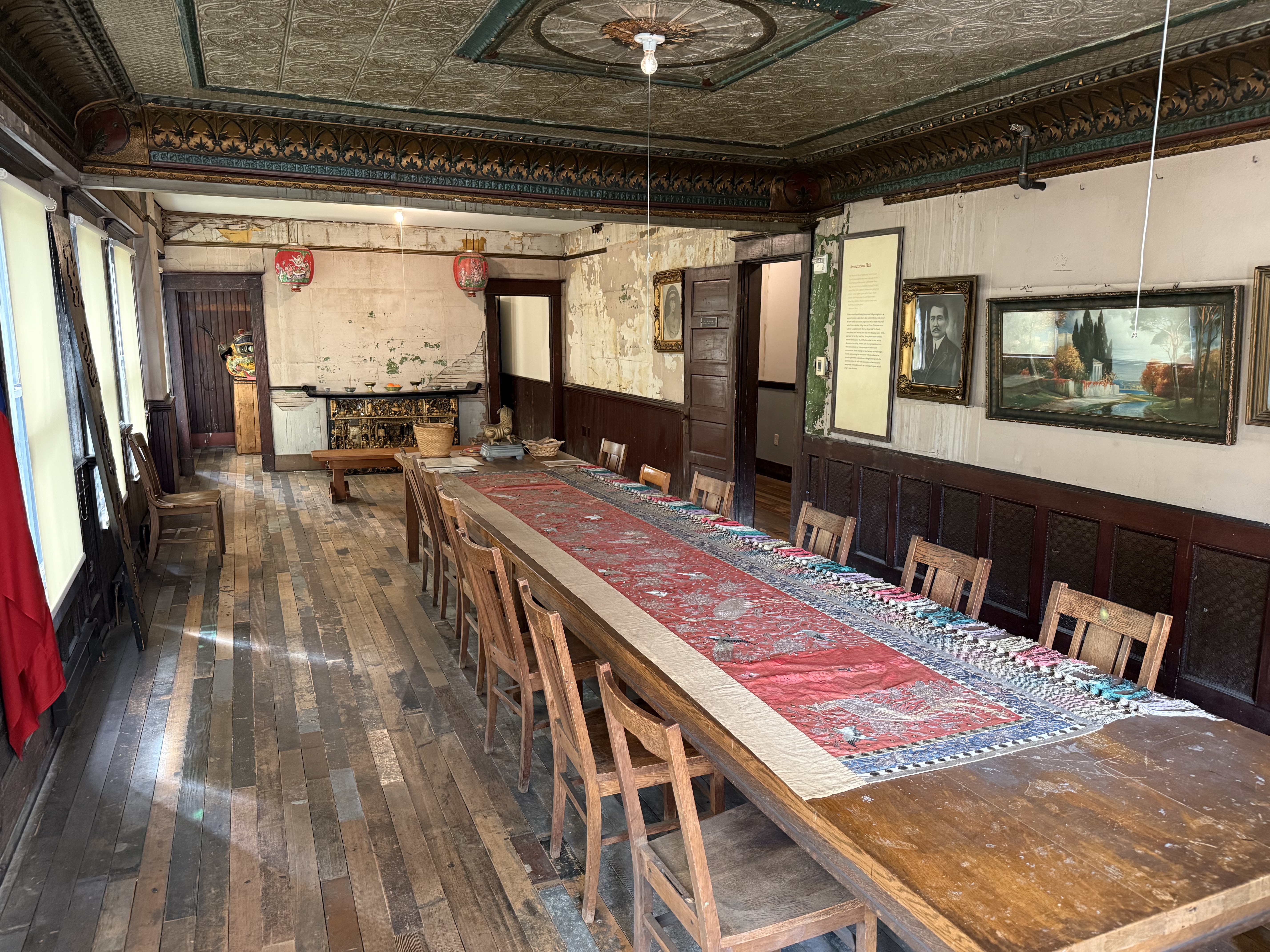
To circumvent some of the financial restrictions, the Chinese immigrants formed associations of people from the same villages back in China. This is the meeting room of one such group. They assisted newcomers and planned civic activities. It was kind of like the YMCA.
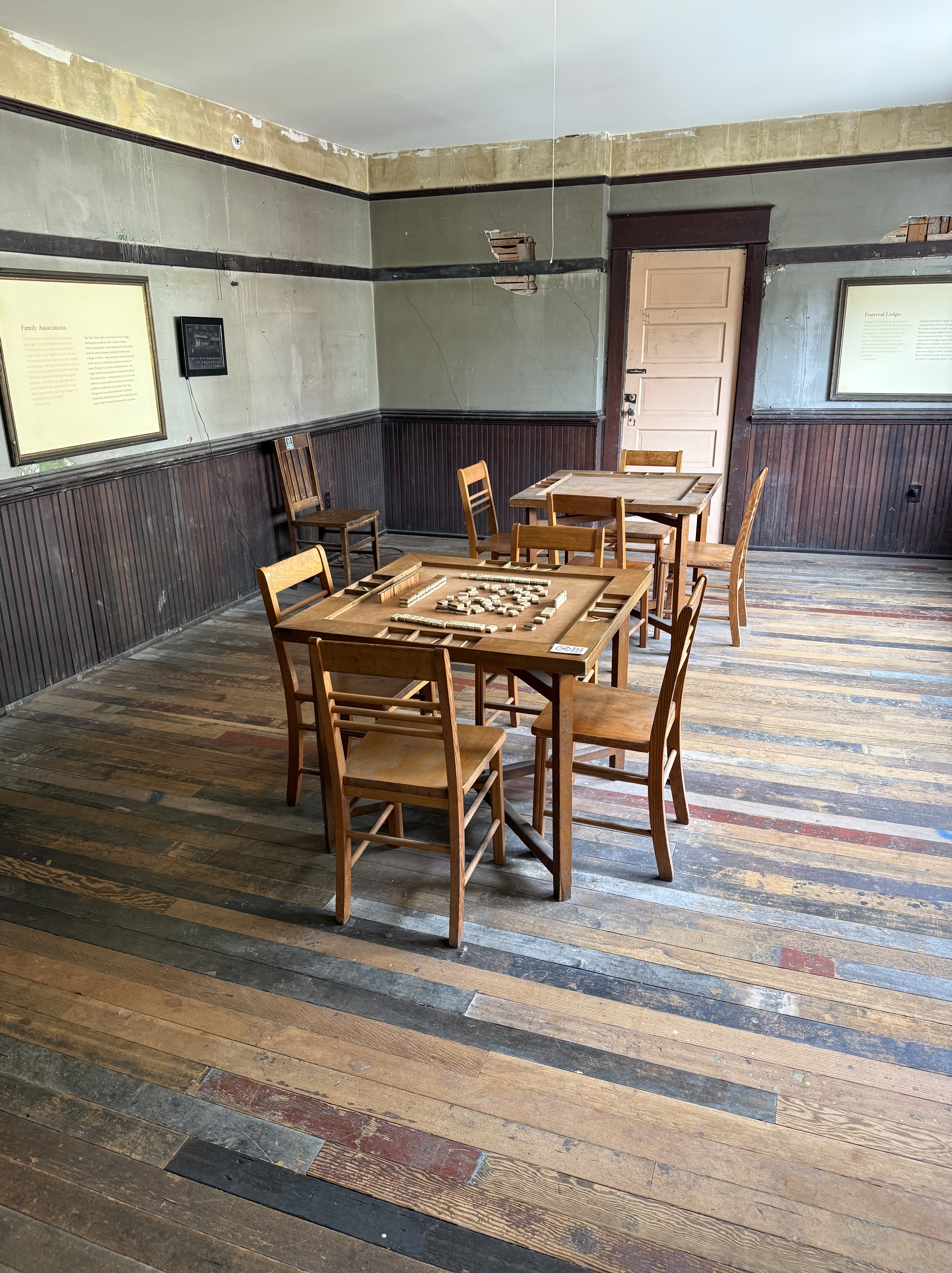
This is the game room, where people played mahjong and other games.
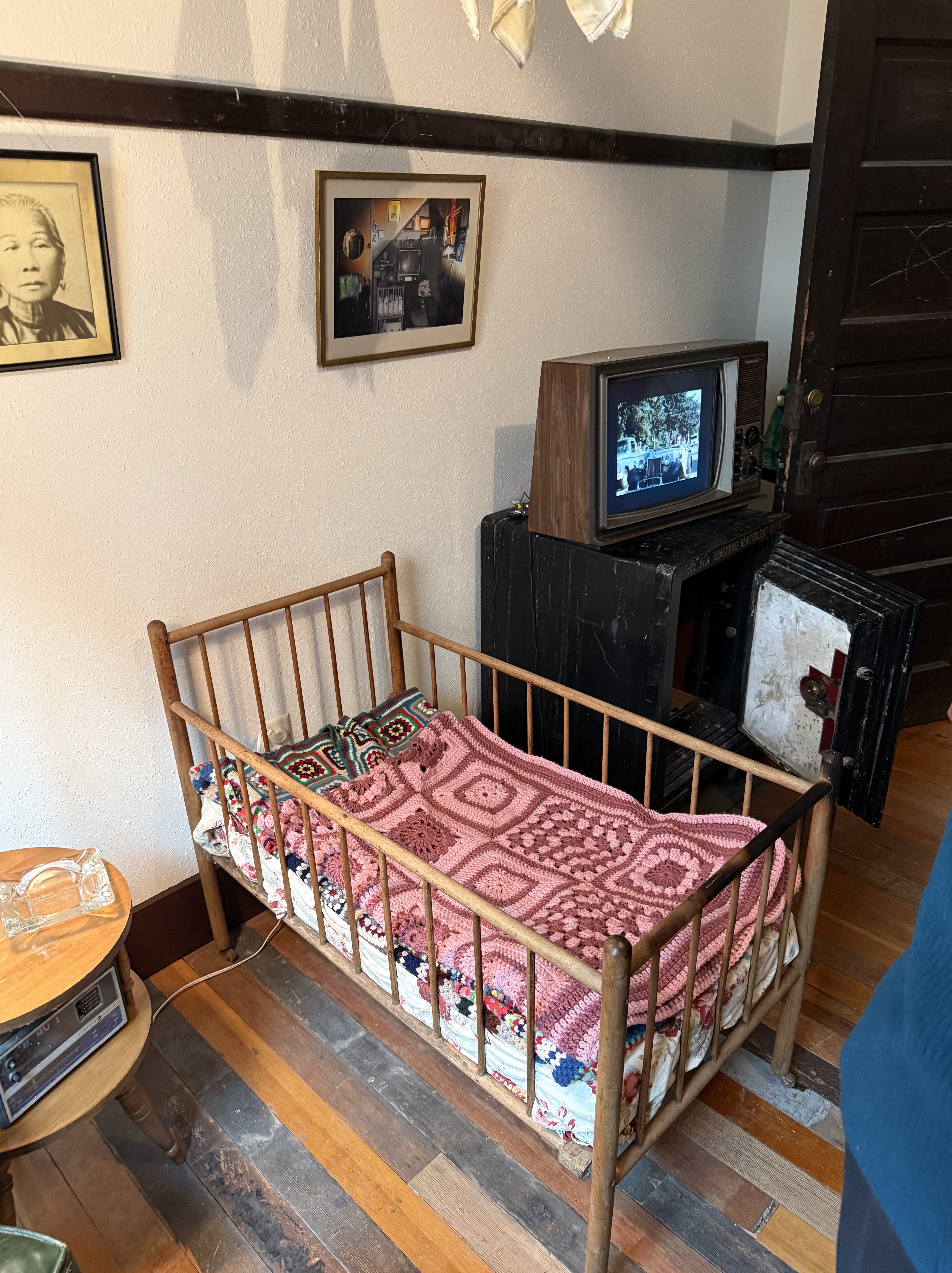
The hotel contained about 180 apartments, but some of them had up to three rooms. This was the home of a family with eight children. The hotel remained a center of immigrants until it was closed in 1974 because of updated fire codes (after the deaths of twenty or so inhabitants in about 1972). The Wing Luke Museum purchased it and is renovating it as part of the display.
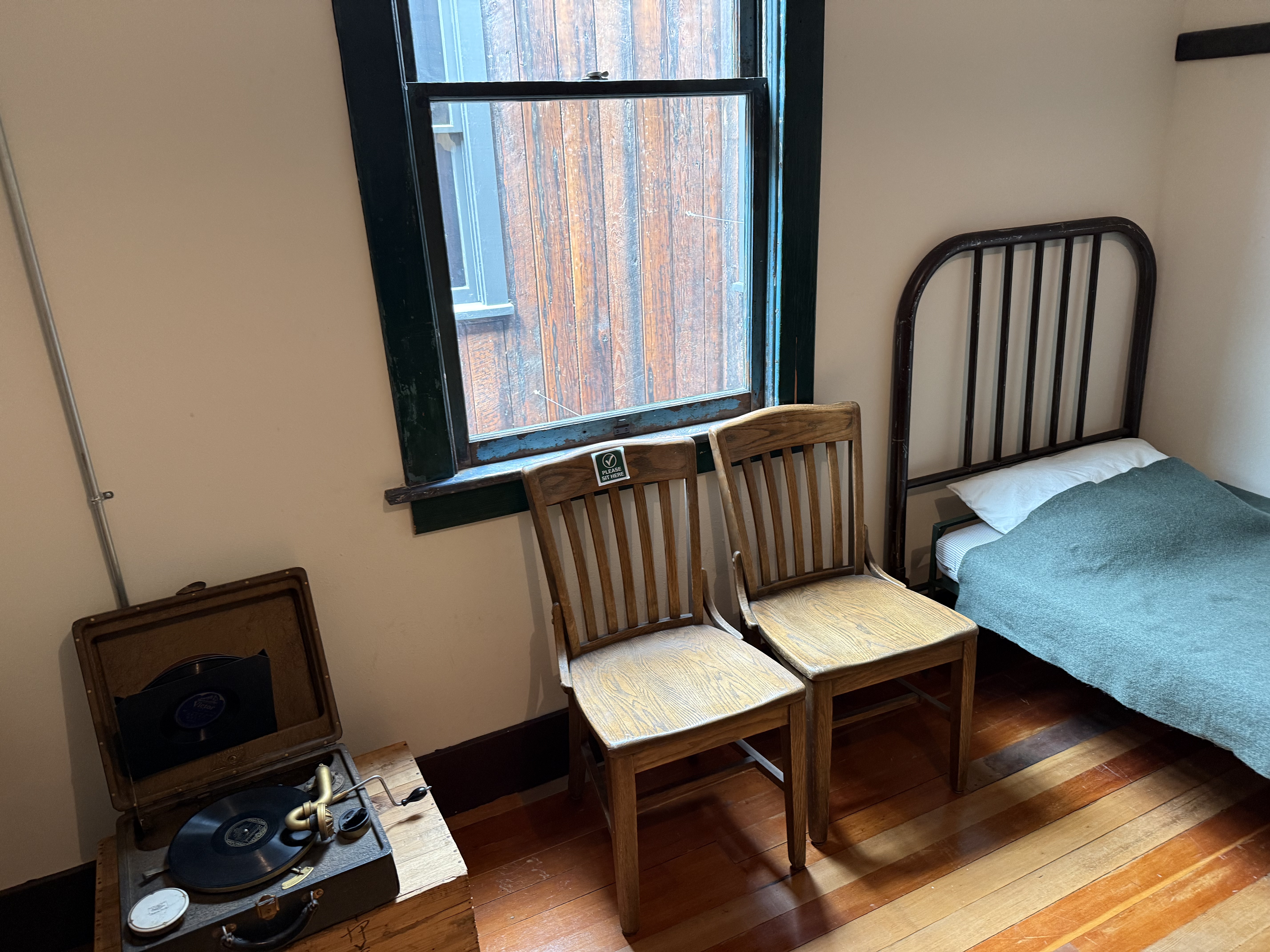
Every room was required to have a door and window. Most of the rooms were small. That is the light shaft out the window; it didn’t lead anywhere and only extended to the second floor, just for light and air.
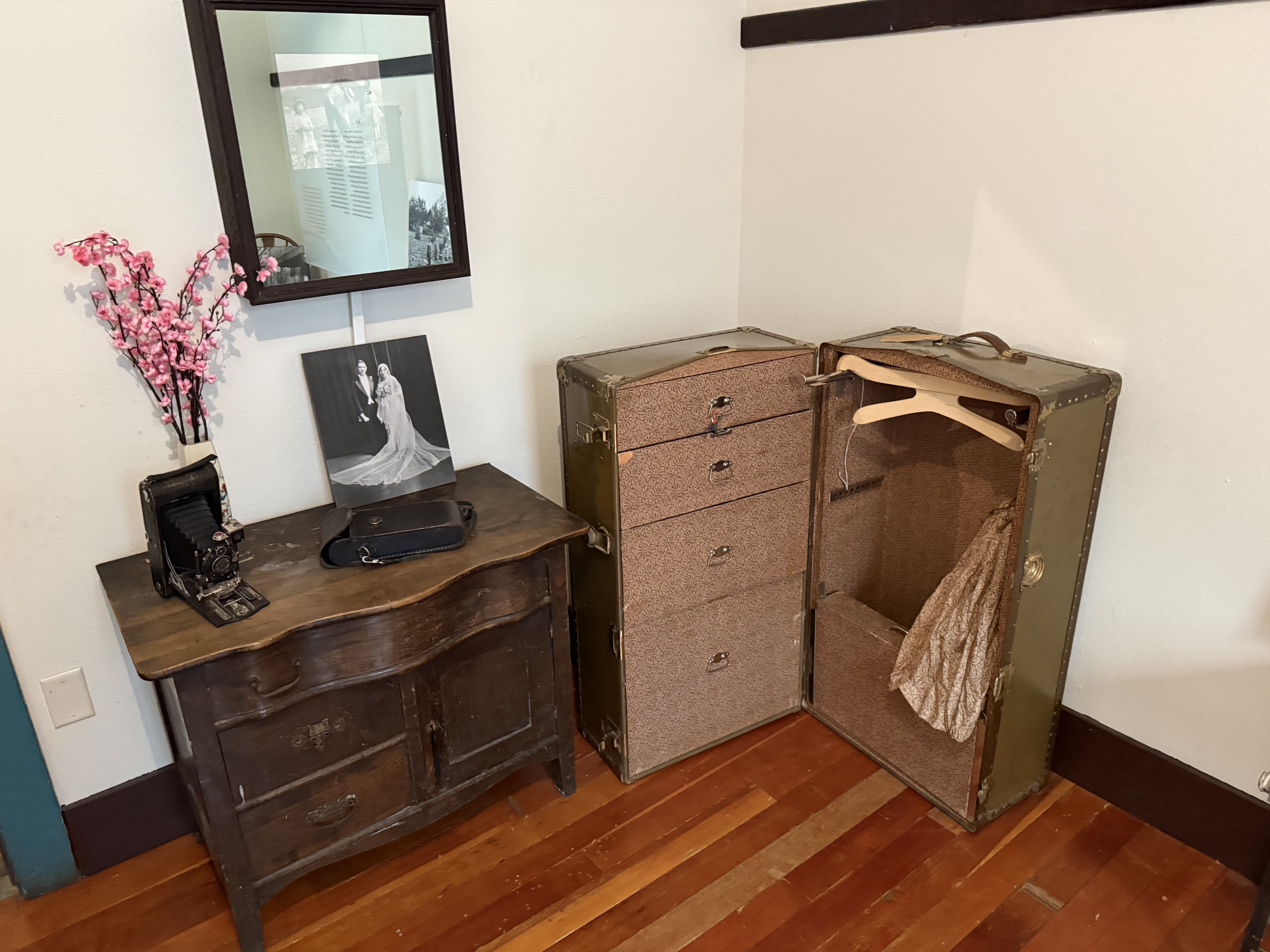
Living out of your suitcase?
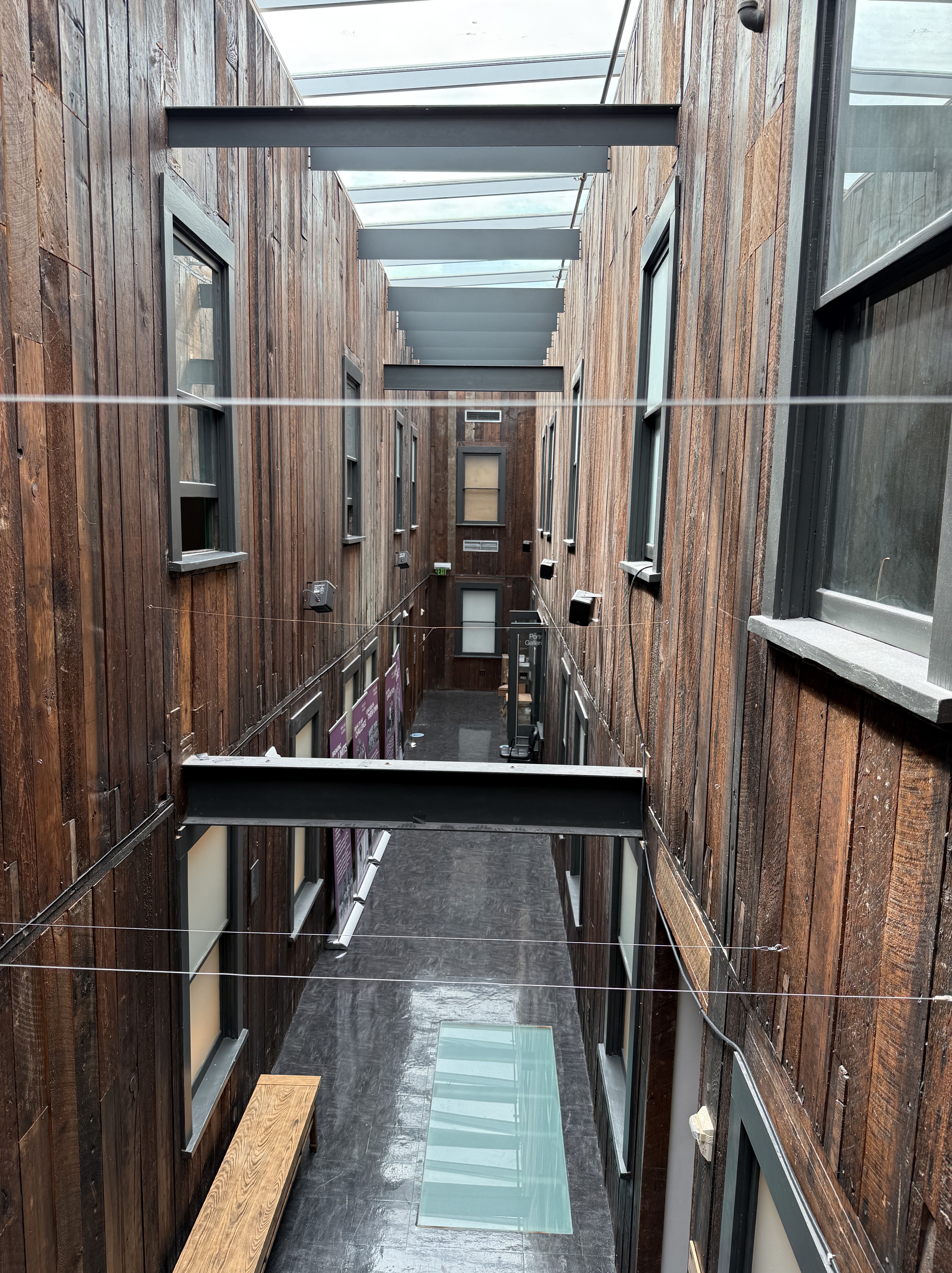
Here’s the light shaft. During reconstruction the building was modified and reinforced.
The museum also had exhibits displaying artwork and pictorial histories of many Asian immigrants, including Hawaiians. Overall, it was very interesting and worth the price of admission. I think it was $22 for a senior like me.


Trackbacks / Pingbacks