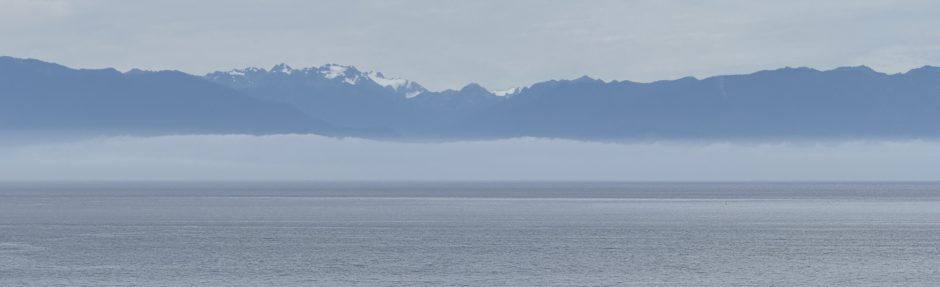
Hydrocarbon Extraction by Hydraulic Fracturing (aka Fracking)
I was a graduate student at Penn State almost 40 years ago. The Geosciences Department had a diverse faculty, including structural geologist Dr. Terry Engelder. We didn’t interact much because I was a sedimentologist. Years later (2008-2013) his work on Devonian (~416-359 Ma) shales in NE Pennsylvania contributed to the rapid rise in hydraulic fracturing of sedimentary rocks to extract hydrocarbons, specifically natural gas. I was vaguely aware of the revolution because my advisor and longtime collaborator, Dr. Rudy Slingerland, was also involved in this scientific work.
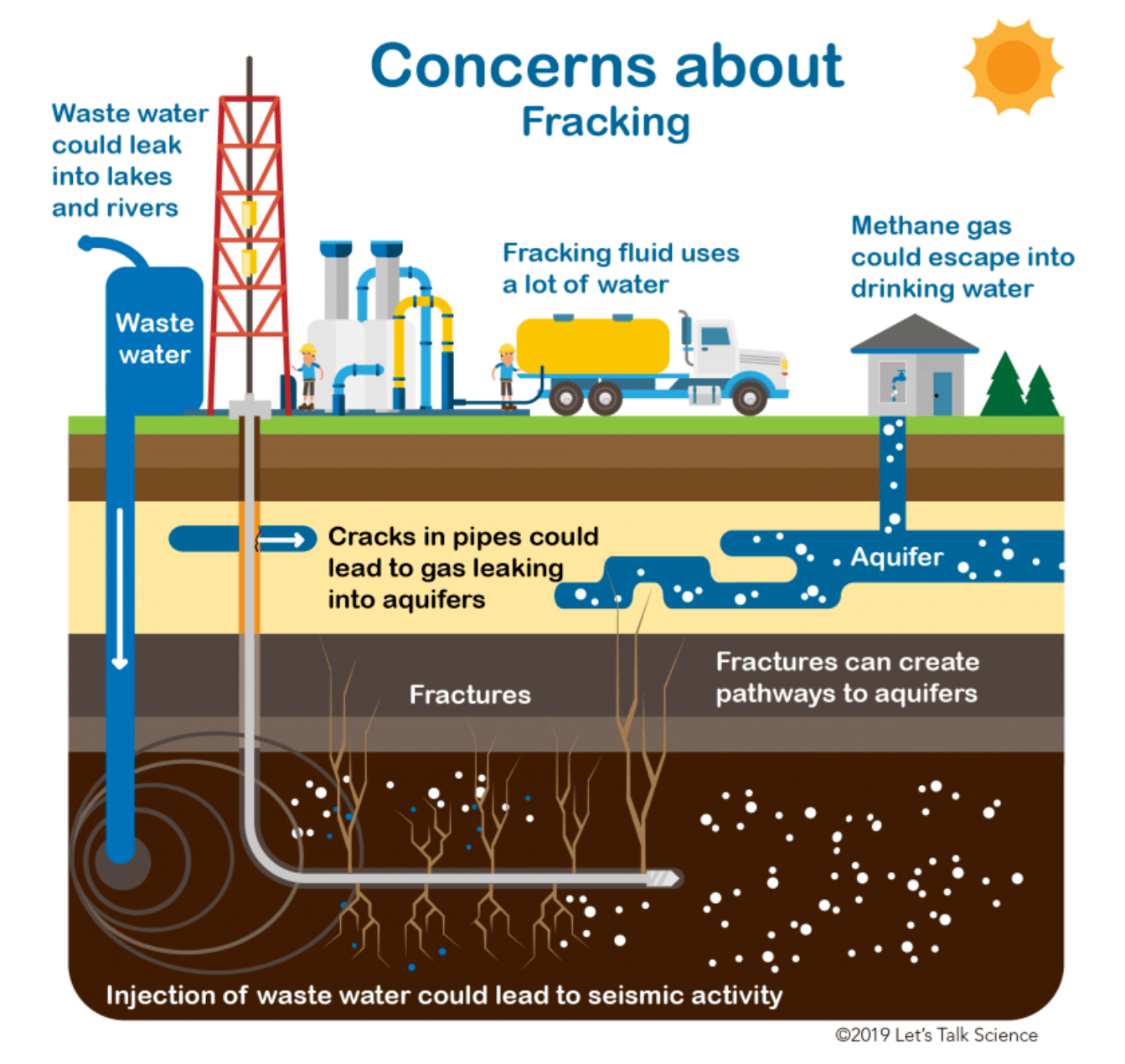
The figure above doesn’t reflect any specific concerns I have about fracking; it is simply a comprehensive image demonstrating the method as well as potential problems that we’ve all heard about in the news. We already know about the benefits, like access to relatively inexpensive natural gas.
Dr. Engelder contacted me recently about his post-retirement interest in communicating his story about the recent history of fracking, so I wanted to do my part in scientific communication. Thus I encourage anyone interested in the topic to check out his Substack page.
BREAKING ROCKS
Take a look and ask an expert any questions you may have about this controversial hydrocarbon-extraction method.
Tacoma Art Museum
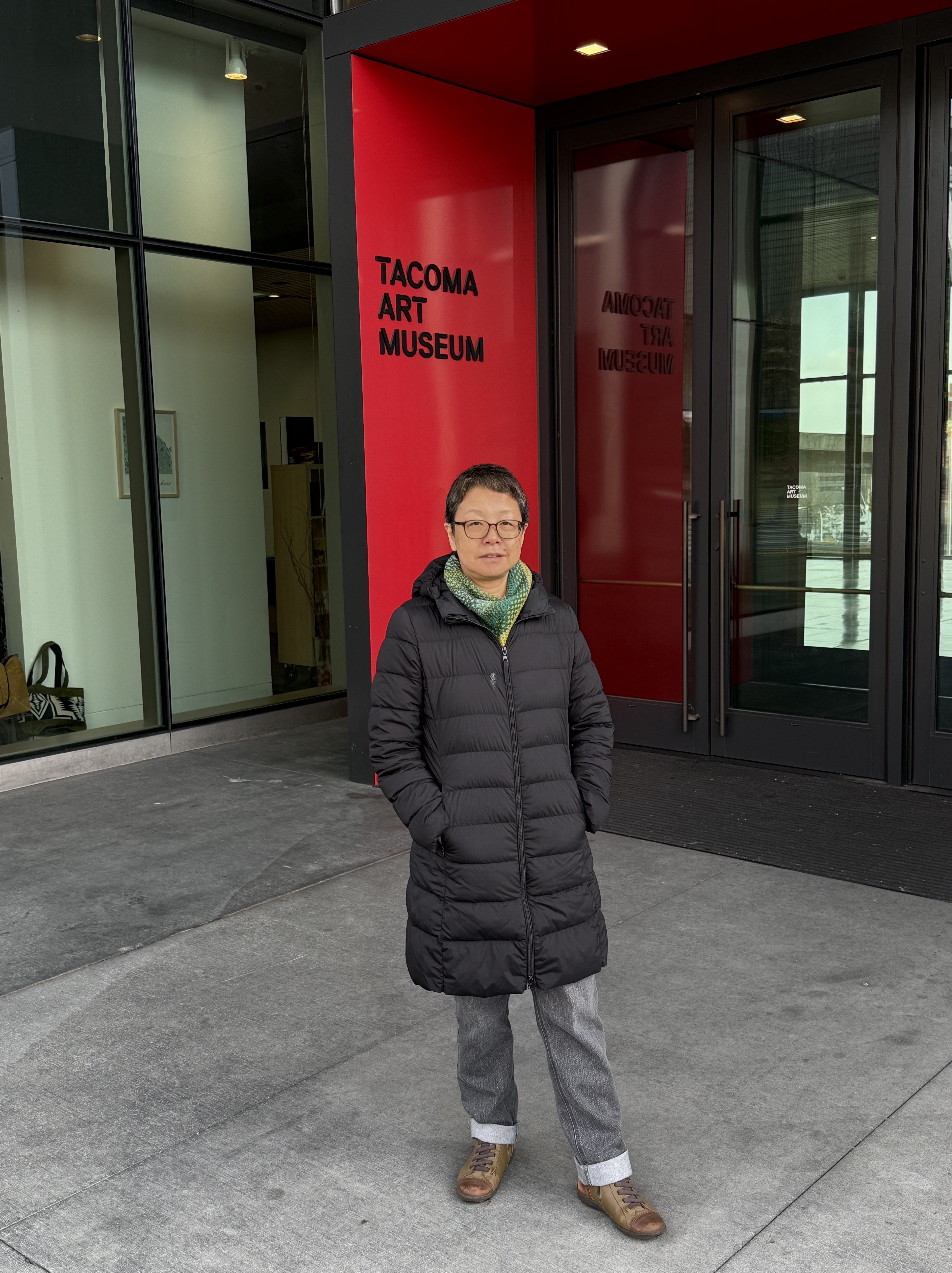
We visit the Tacoma Art Museum every couple of months to see their new exhibits. Besides major exhibits they also include individual pieces by various Washington artists. You never know what to expect.
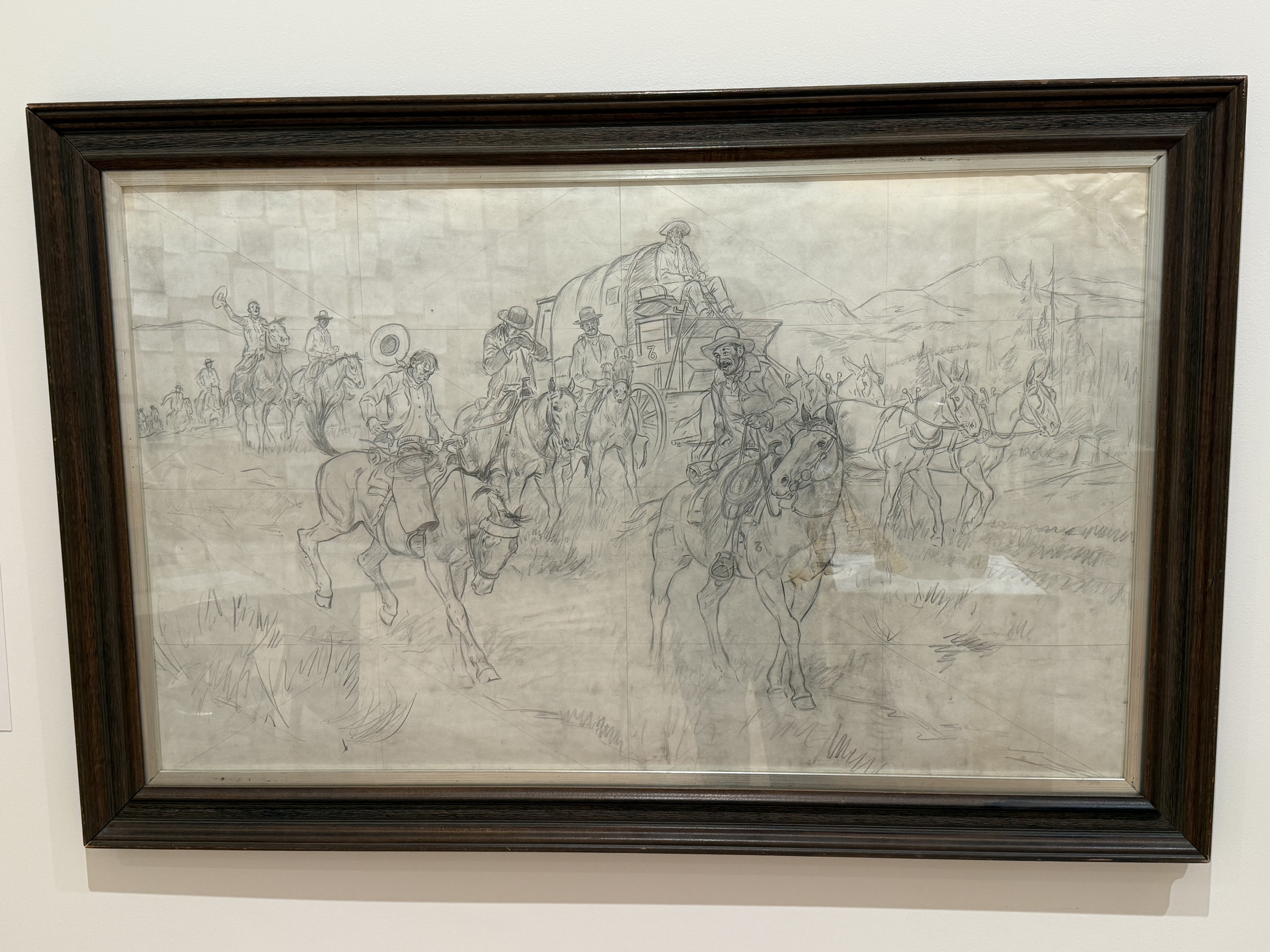
This is Study for a Rawhide Outfit by Charlie Dye (1971). It was part of an exhibit called Drawing Room, which explored the process of creating artwork.
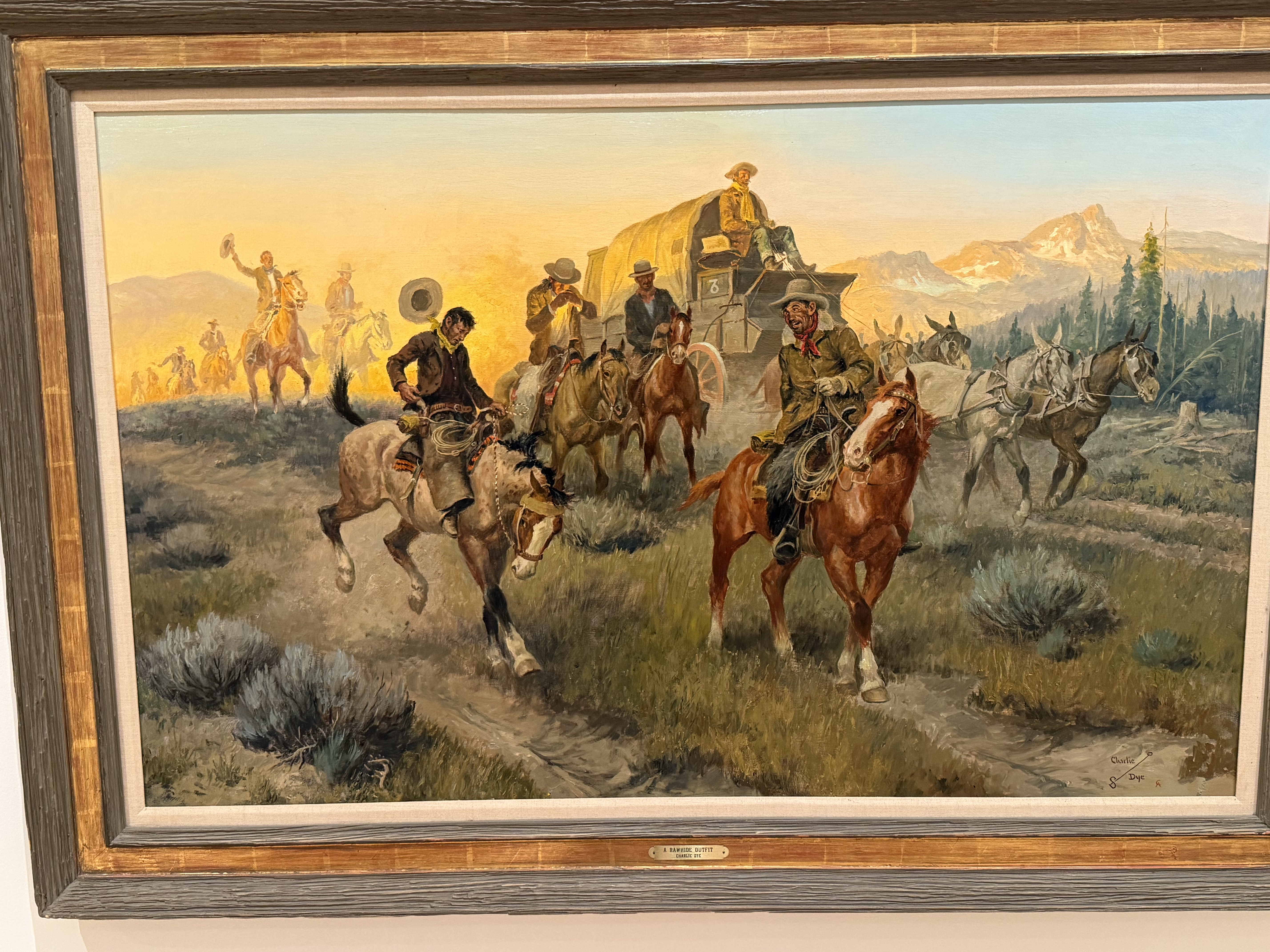
The final painting is hanging next to the study, allowing a direct comparison between the early concept and the finished work.
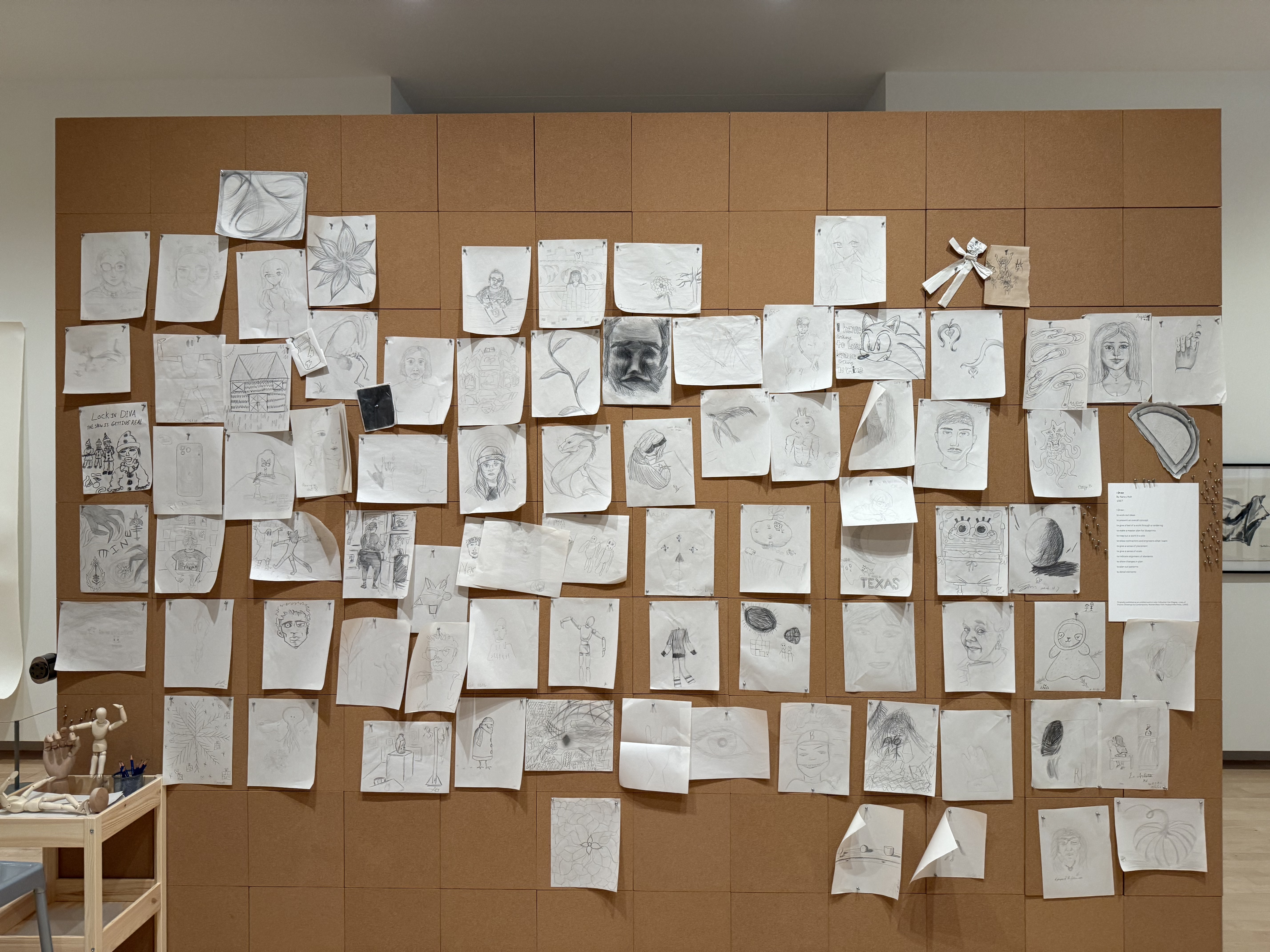
The Drawing Room exhibit encouraged visitors to create their own artwork. Some of them were pretty good.
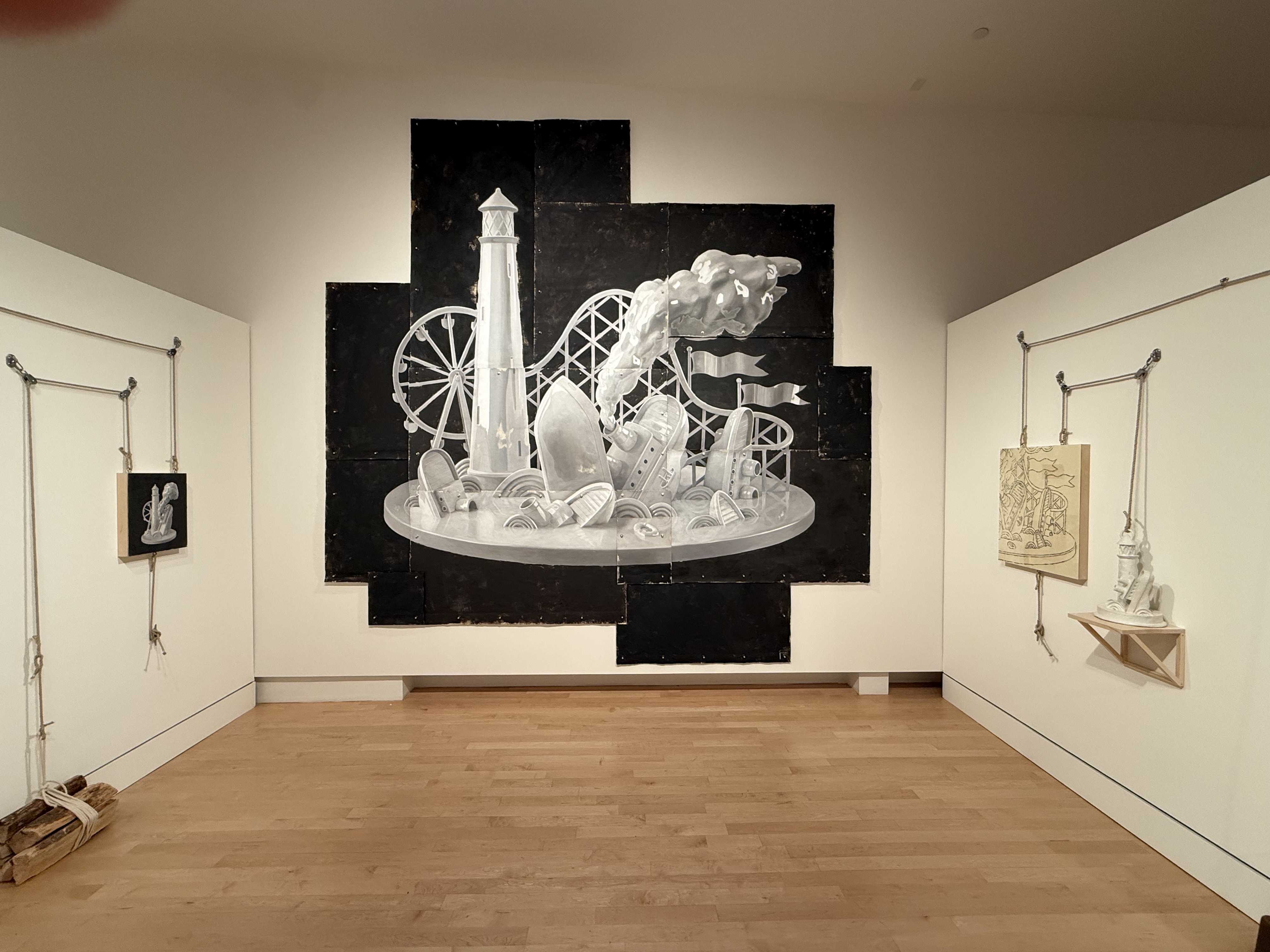
There were several exhibits on display from individual artists as part of Project NW. This piece is called The Lee Shore, by David Hytone.
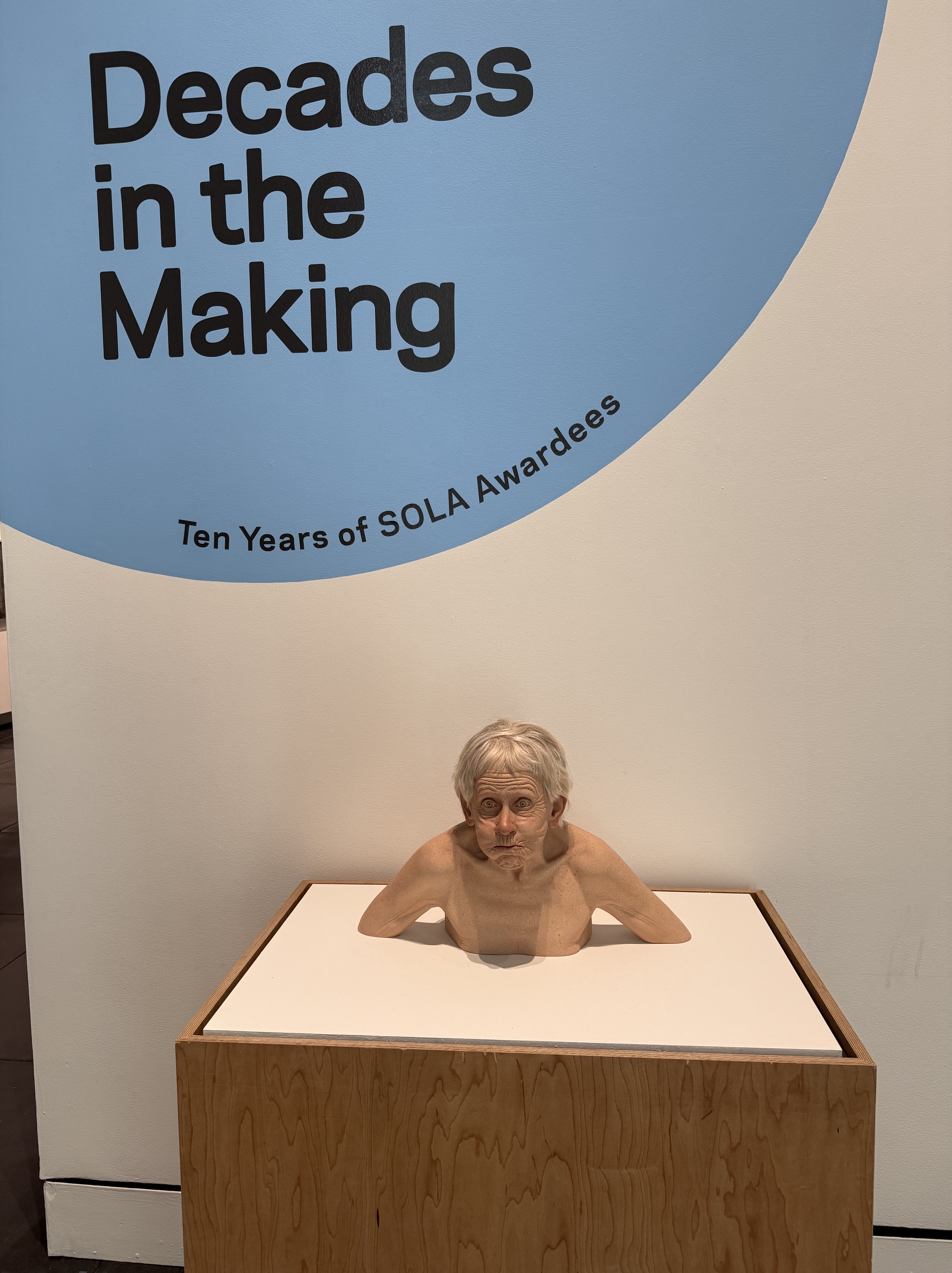
The SOLA (Support of Old Lady Artists) program grants awards to older women. This exhibit includes a variety of pieces by previous grantees. It was quite an eclectic collection. Unfortunately I forgot to record the artists’ names, so you’ll have to check it out yourself.
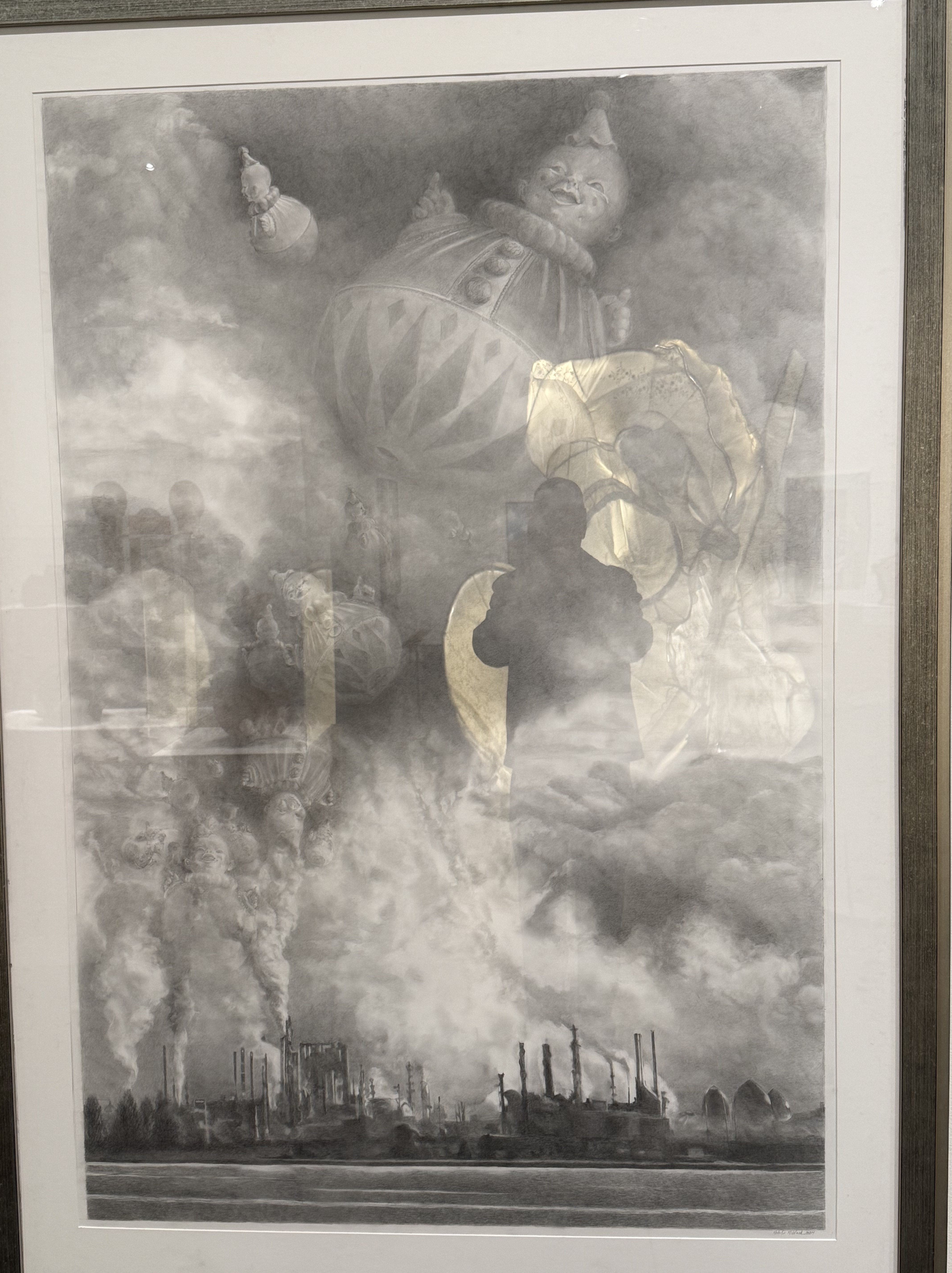
This reminds me of Ghostbusters, the movie in which a giant Pillsbury dough boy terrorizes New York.
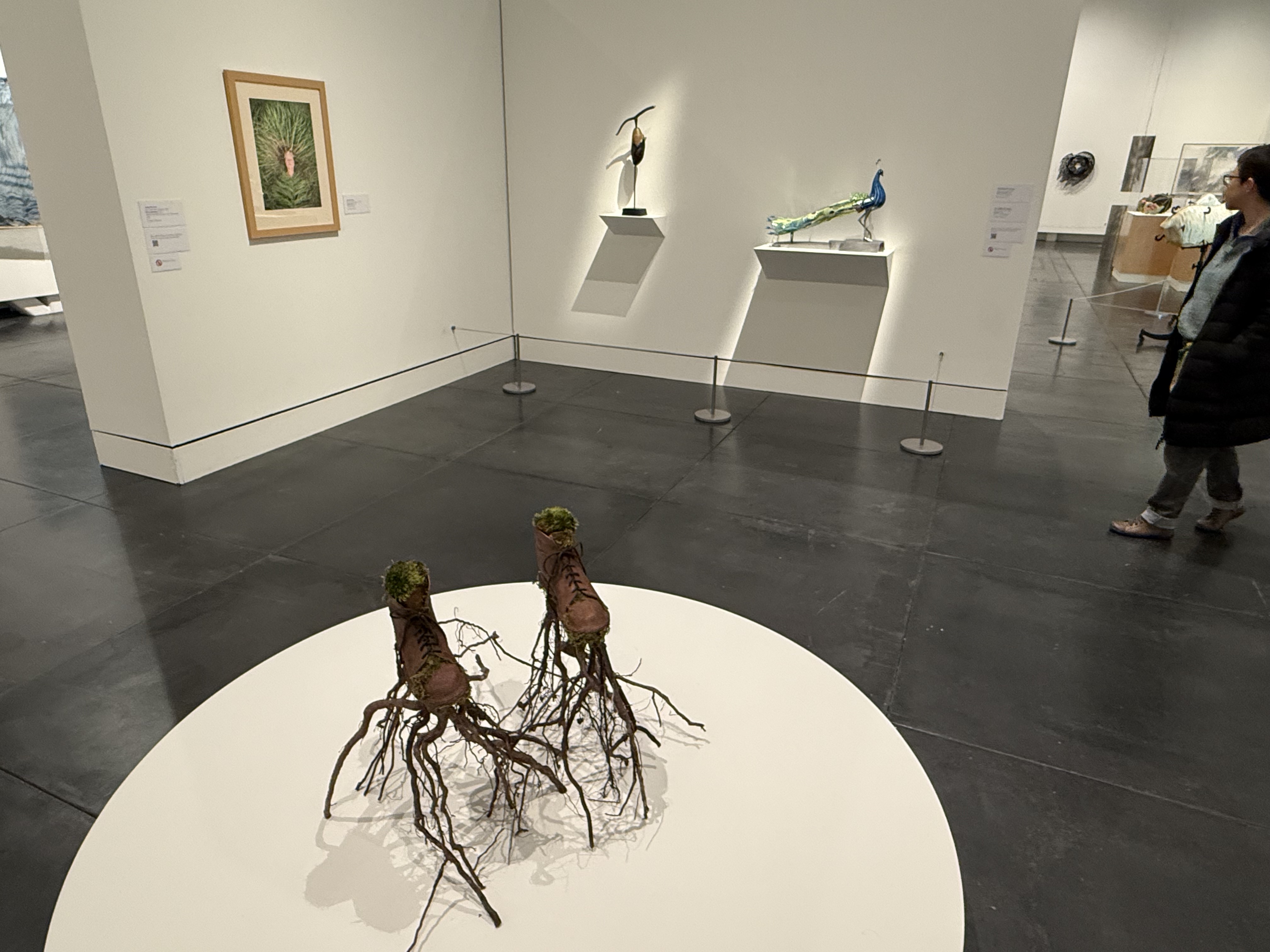
Talk about being rooted to your place.
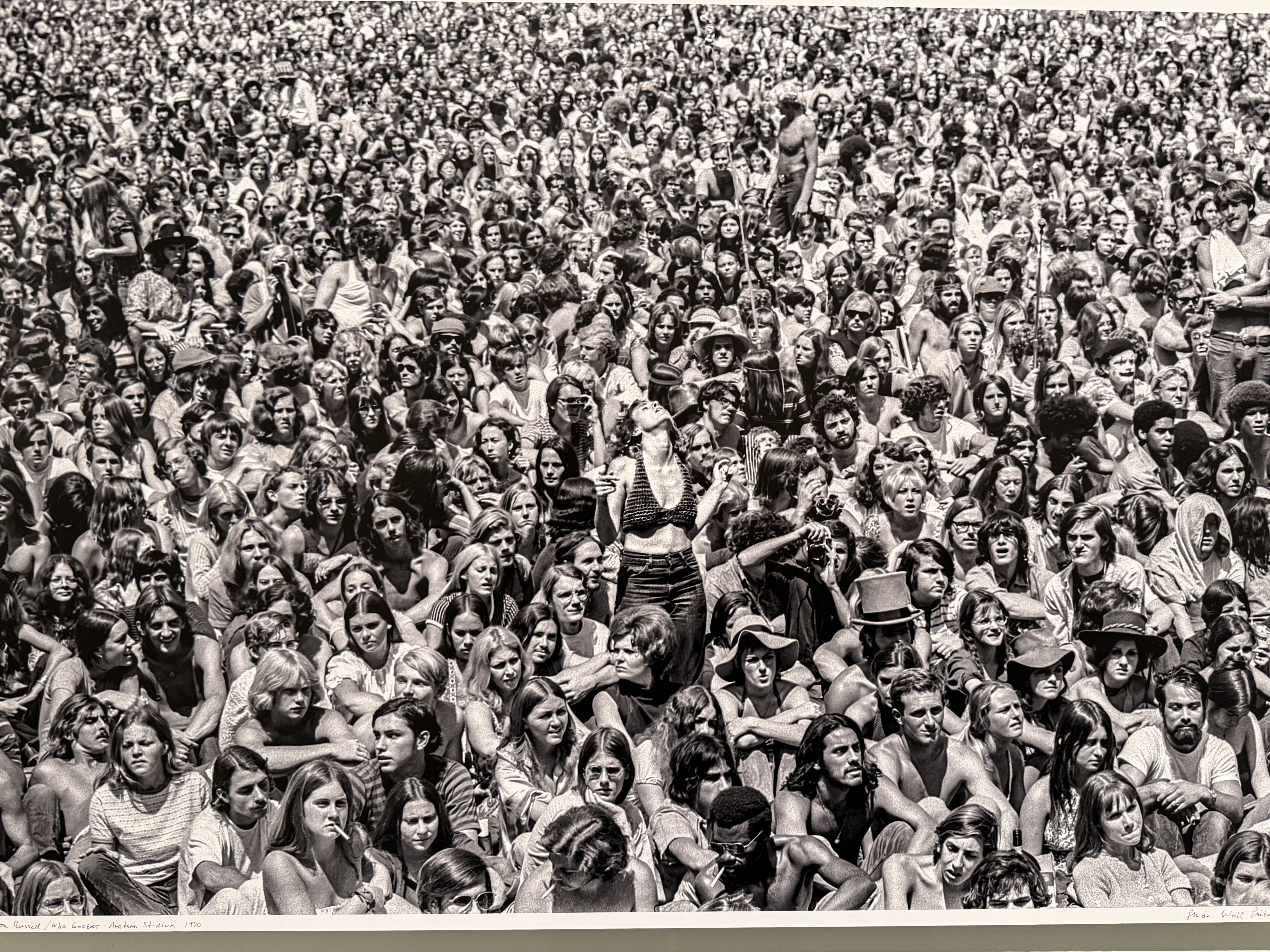
I believe this was called, Audience. Crowds are interesting to study.
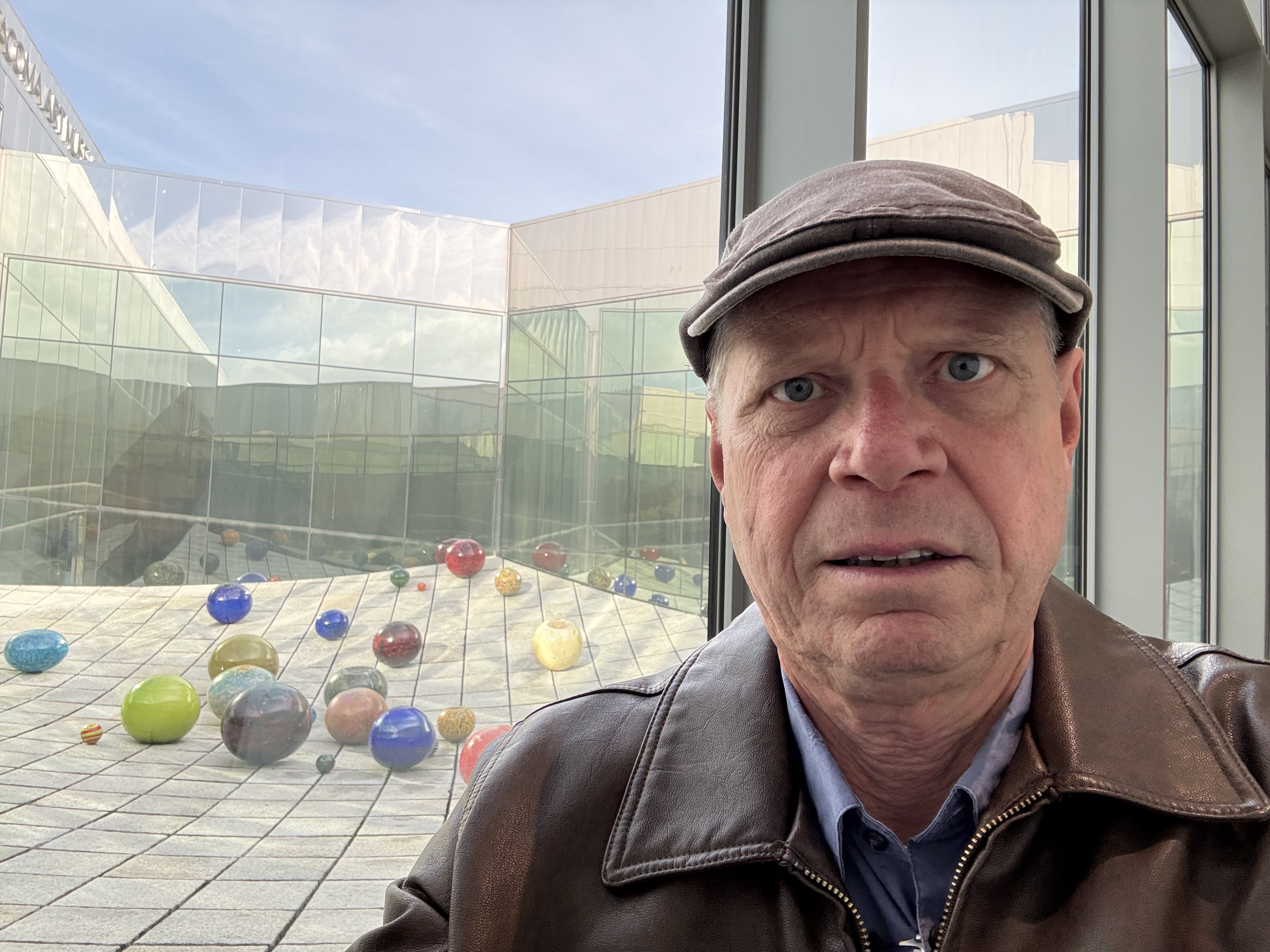
The museum added some balls to the permanent wave exhibit, constructed from stone that was originally part of an ancient road in China.
I like to support the arts, even if I don’t find everything interesting. Creative people are producing new forms of art because, after all, they can’t keep painting the same landscapes and portraits. Art is in the eye of the beholder, but you have to see it to decide for yourself.
Visit TAM and become a supporter if you live in the area.
Reseña de “Short Stories in Spanish” por Olly Richards

A mí me gustó esta colección de cuentos cortos para estudiantes de nivel intermedio. Las historias son muy interesantes, pero más difíciles que las del último libro que leí. El vocabulario es demasiado complicado y no sé si soy una lectora de nivel intermedio. Sin embargo, la autora recomienda seguir leyendo aunque no se entiendan todas las palabras. Pues yo seguí su consejo y leí el libro sin parar..
Cometí más errores en las preguntas de comprensión, pero no me fue tan mal. En realidad, es mucho mejor que buscar cada palabra. El único problema es que no hay más libros en la serie.
Ecology Note: Point Defiance Park
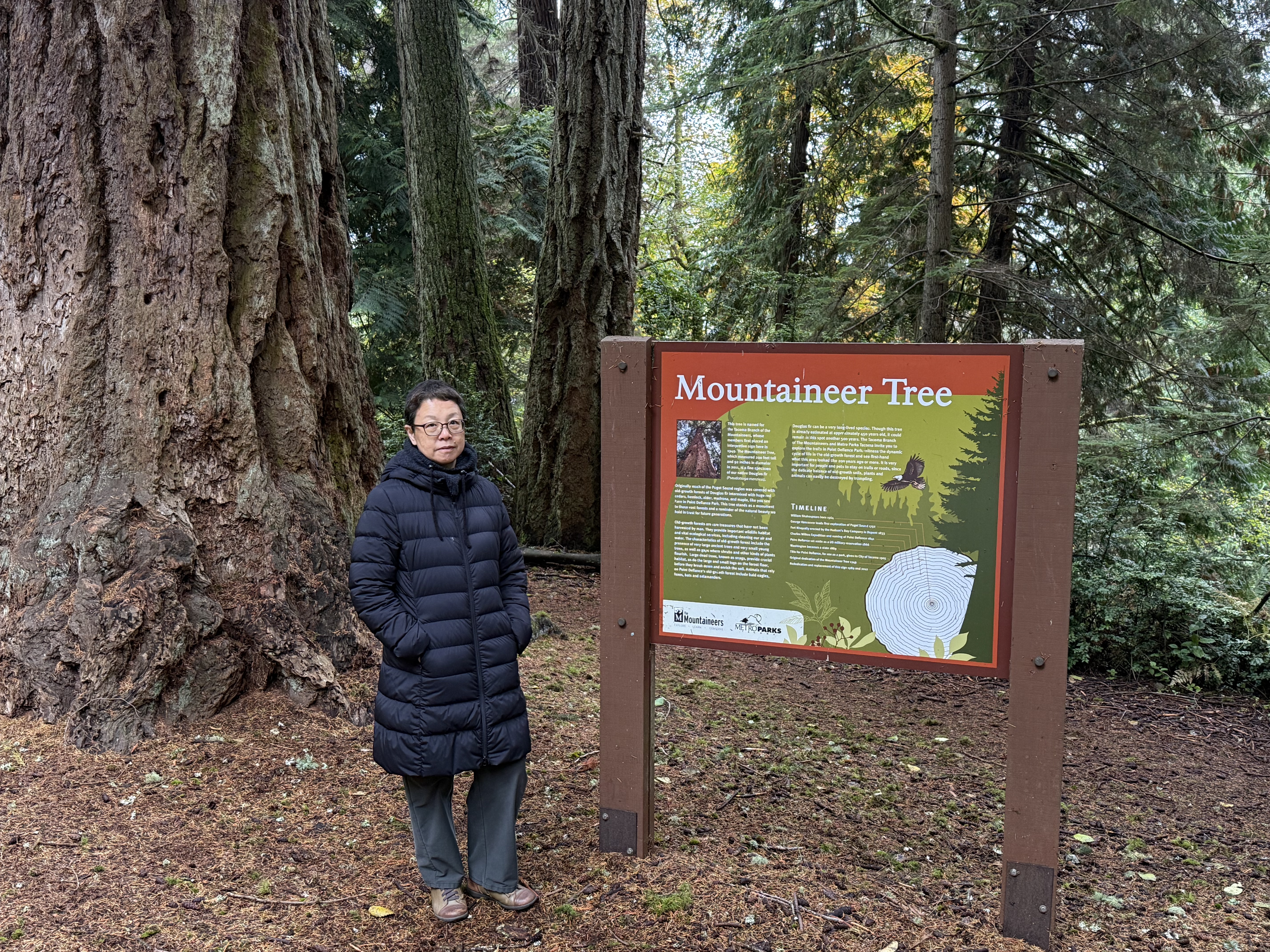
This Douglas Fir survived the onslaught of loggers and is now approximately 450 years old–middle aged for this species.
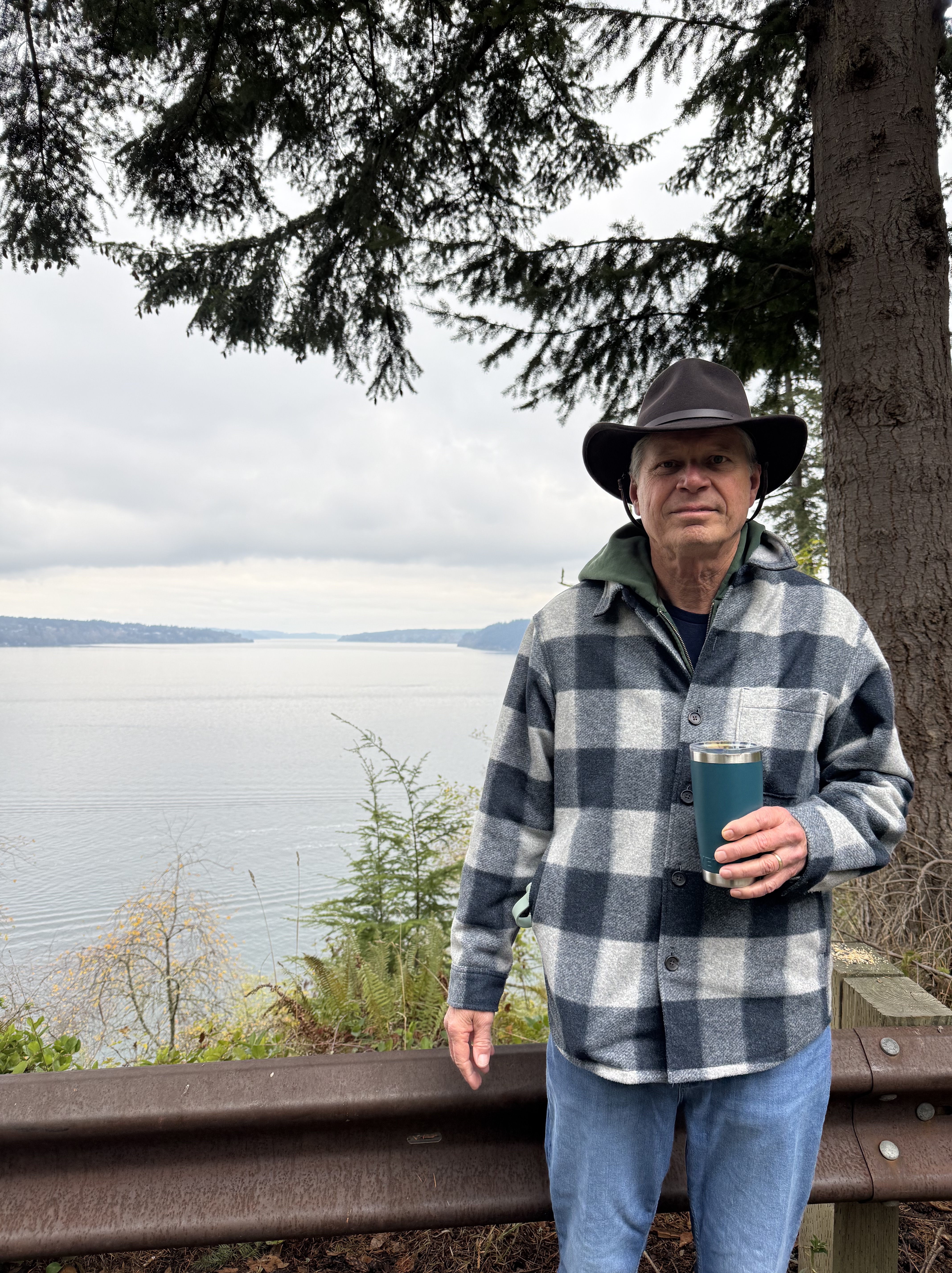
From Dalco Passage Point, we saw a whale hanging around; the only signs were occasional water spouts and a brief glimpse of a pair of flippers. It was pretty small from 200 feet above sea level and several hundred yards distance. I was too slow to get a video. Maybe next time.
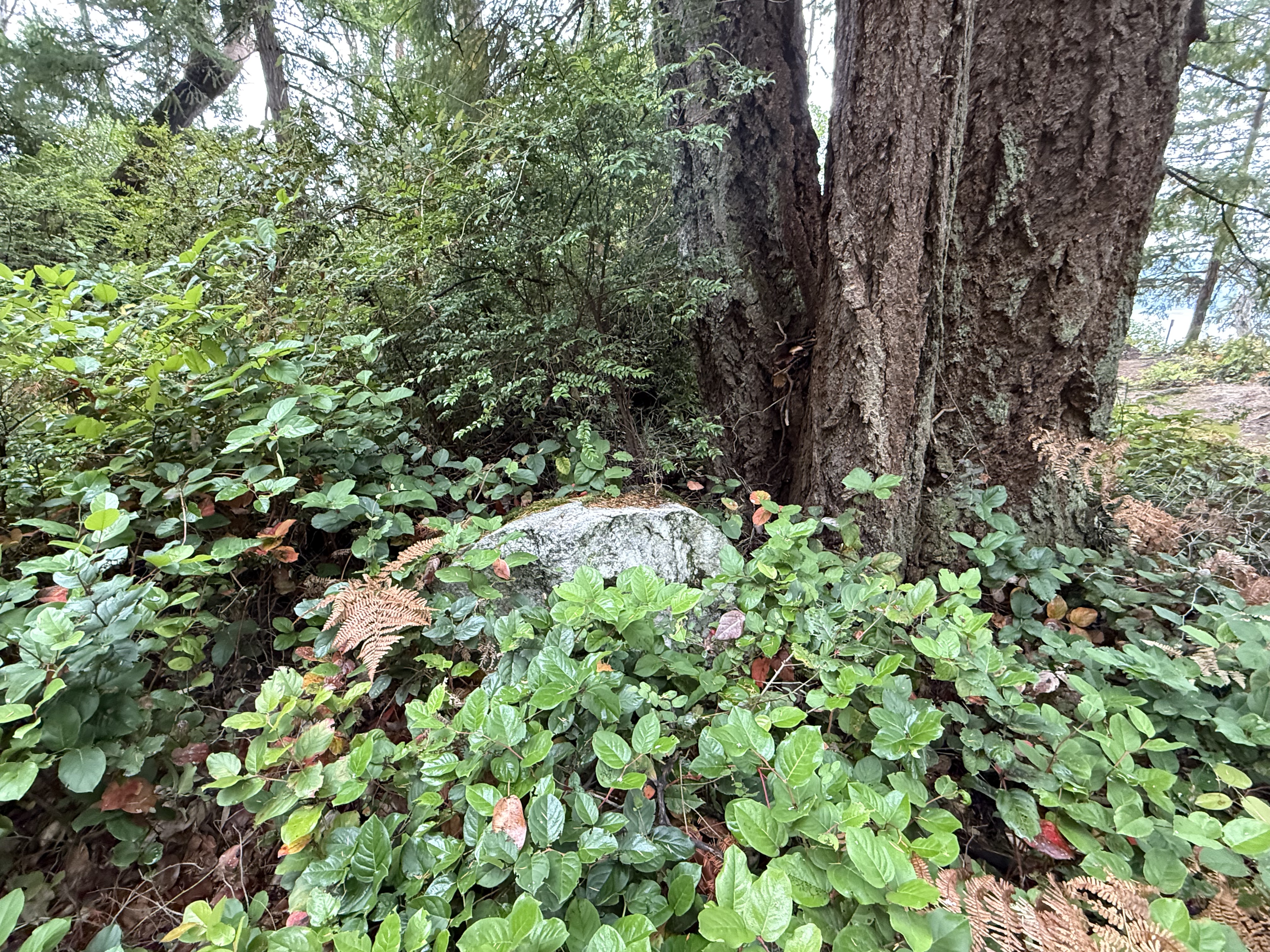
I spotted this glacial erratic (boulder transported by a glacier) and took a look. It looks like a granitic rock, probably granodiorite. It was transported, over possibly a million years, from the Northern Cascades. We saw a lot of it on my last post.
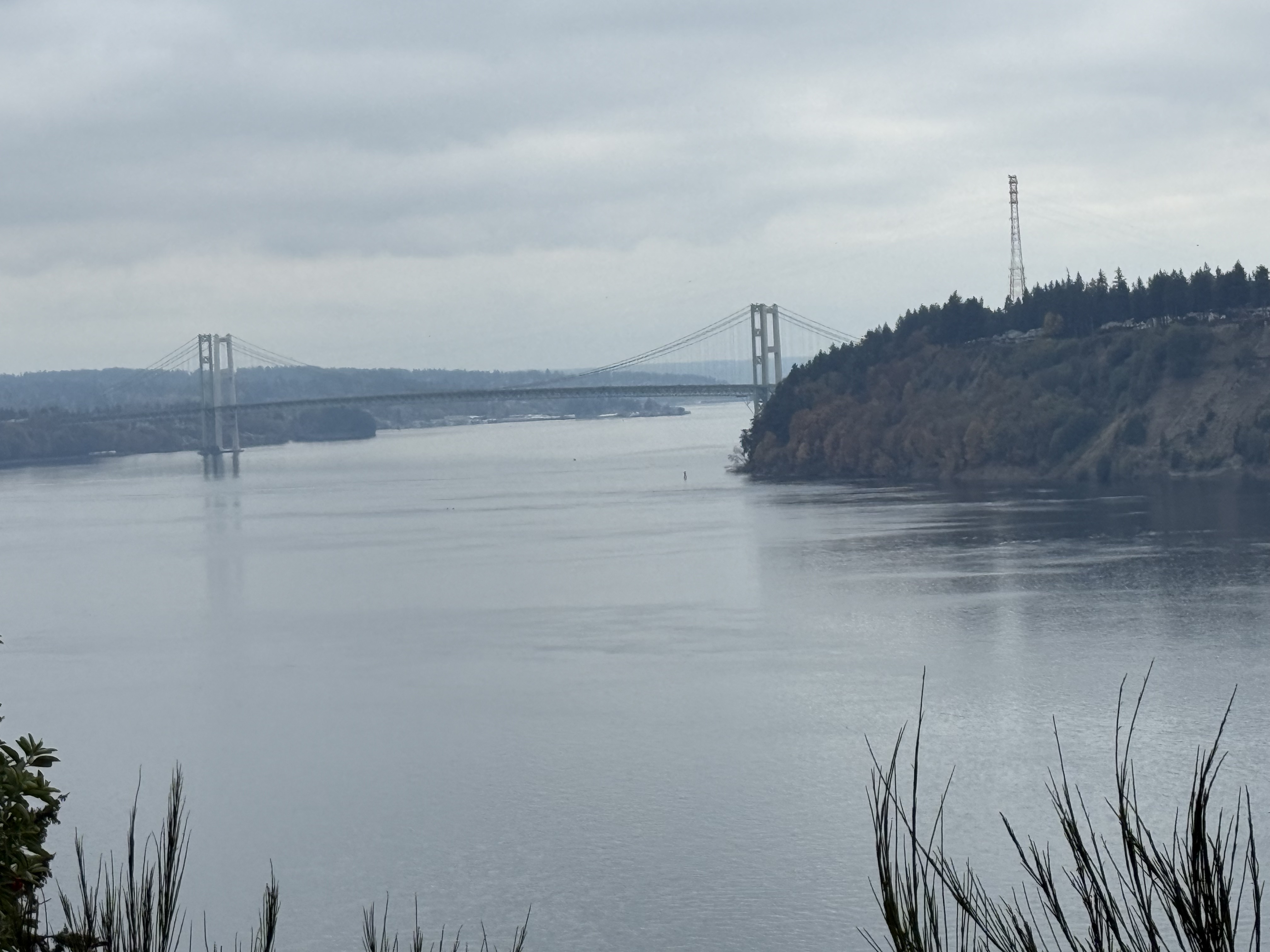
You can’t walk Five-Mile Drive without stopping for a photo of the Tacoma Narrows bridge.
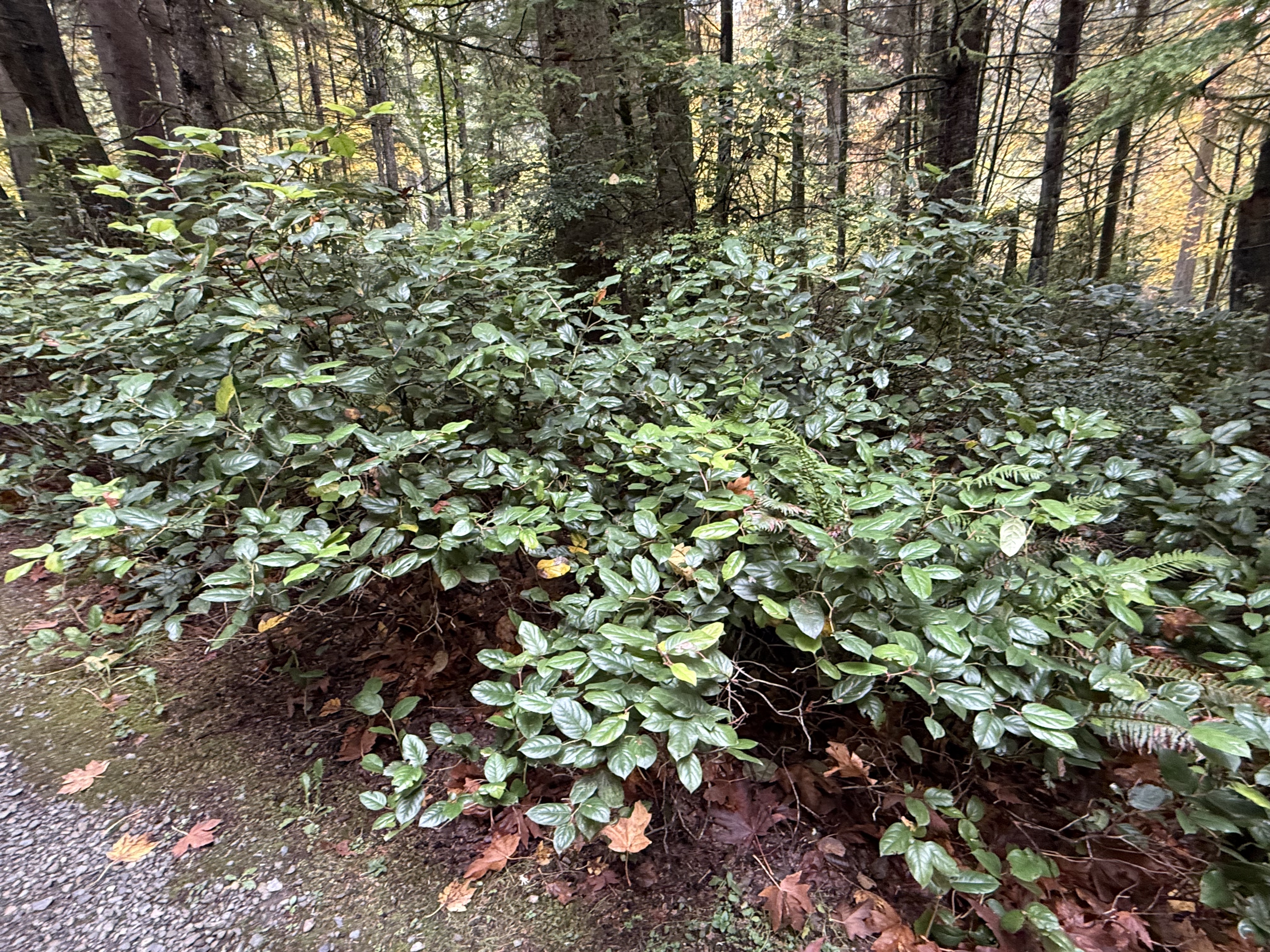
Salal (Gaultheria shallon) dominates the conifer understory in places. It is a native evergreen shrub.
It was a beautiful fall day to stroll around the park, and I’ll try to get a video of some whales next time.


Recent Comments