
Review of “Astra” by Cedar Bowers
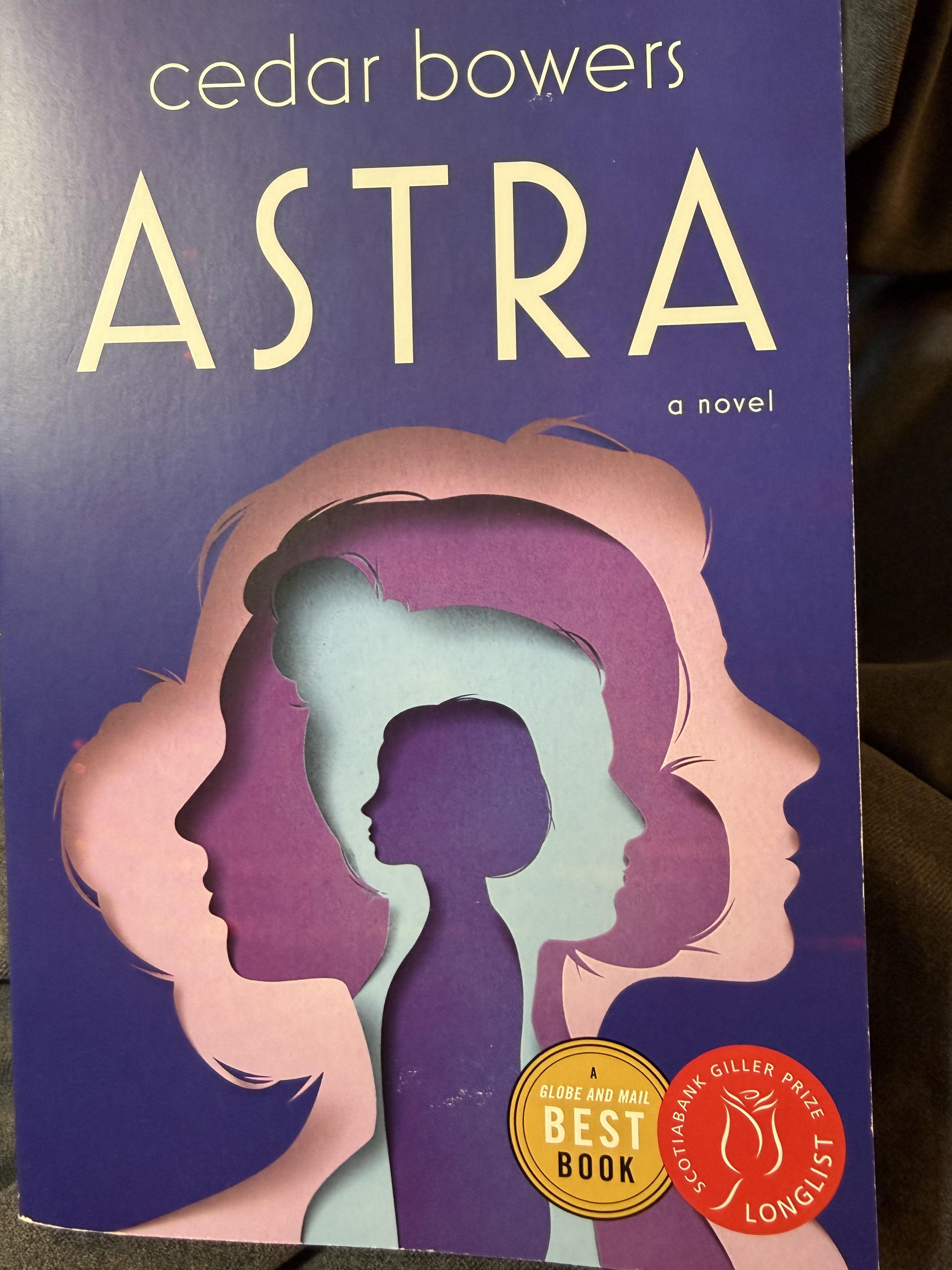
This novel relates an unpleasant story in a very interesting manner. The story unfolds through the eyes of ten people who encounter the central character during her life. By unpleasant, I don’t mean it is a tragedy; in fact, it is a relatively benign tale of the life of a person with a problematic childhood. What makes it so interesting is seeing Astra through multiple perspectives. However, she does appear in all of the chapters and participates in dialogue. The picture that emerges is complicated by the biases of the characters who interact with her, but it is not a happy image.
Despite the interesting story that unfolds through multiple points of view, sometimes it seems that the characters sound similar; the underlying theme appears to be self-absorption, which can seem cynical but is probably realistic. Astra doesn’t do what people want her to do. Different characters respond in unique ways as they contribute to the story.
I was somewhat disappointed by the ending because I expected this complex image to be shattered when Astra speaks for herself in the last chapter. Nevertheless, this story isn’t about plot or character development, but instead about how others see Astra. I didn’t like her, but the woman who appears from this kaleidoscope is realistic and probably representative of a large number of single mothers with disturbing histories.
I am glad to finally recommend a novel after so many disappointments.
Review of “Oaths (poems)” by F. S. Yousaf
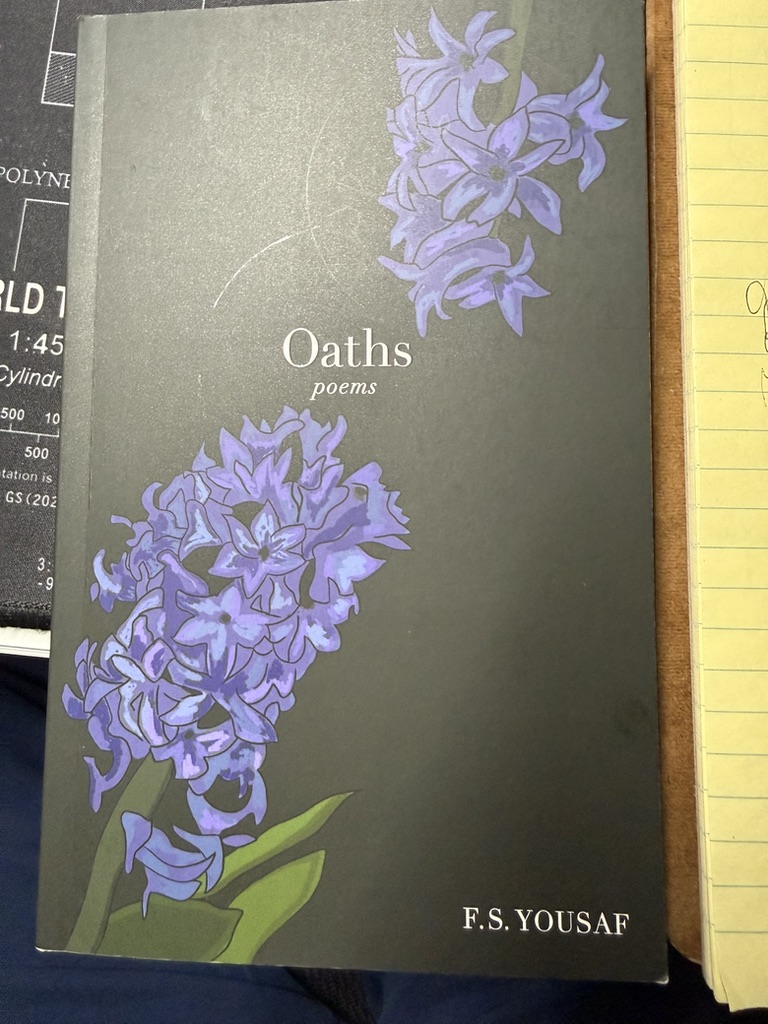
I’m in over my head on this one. I can’t even format the title correctly. There is no punctuation in the title, but the subtitle is on the next line. Parentheses are the best I could do, which is what this review is.
I don’t read poetry, not because I thinks it’s useless–I just don’t read it. So I thought I should give it a try. I assumed that poets were masters of metaphor and all kinds of word relationships. Especially subtlety. There’s nothing subtle about the author’s pining for their youth, and to make things better for themselves. I don’t know if that’s actually how they felt when they wrote these sentimental poems, but that’s what this collection is about.
Not feeling abused emotionally or physically as a child or young adult, I had difficulty relating to the tenor of these short works. Nevertheless, there were some great metaphors and similes in here, along with some interesting presentation styles I appreciated (or tried to appreciate). I just couldn’t get into the often dark, frequently reminiscent, and always contemplative themes represented. I read a few pages now and then as a catharsis–for what I don’t know. Because the theme is so dark and deep most of the time, this isn’t exactly good meditation material.
I don’t feel qualified to express an opinion about this work, but the topic turned me off. But that’s just me, and I am a beginner at reading poetry. In fact, I had to Google how to read poetry. I even tried memorizing some of them to be sure I had read them correctly. I’m not giving up on poetry and, in fact, I’ll be starting another collection I purchased along with this one. I’ll let you know what I think.
If you enjoy deeply introspective poetry, you might already be familiar with the author’s work…

 Timothy R. Keen
Recent Comments