Volcaniclastic Deposits at Motel 6

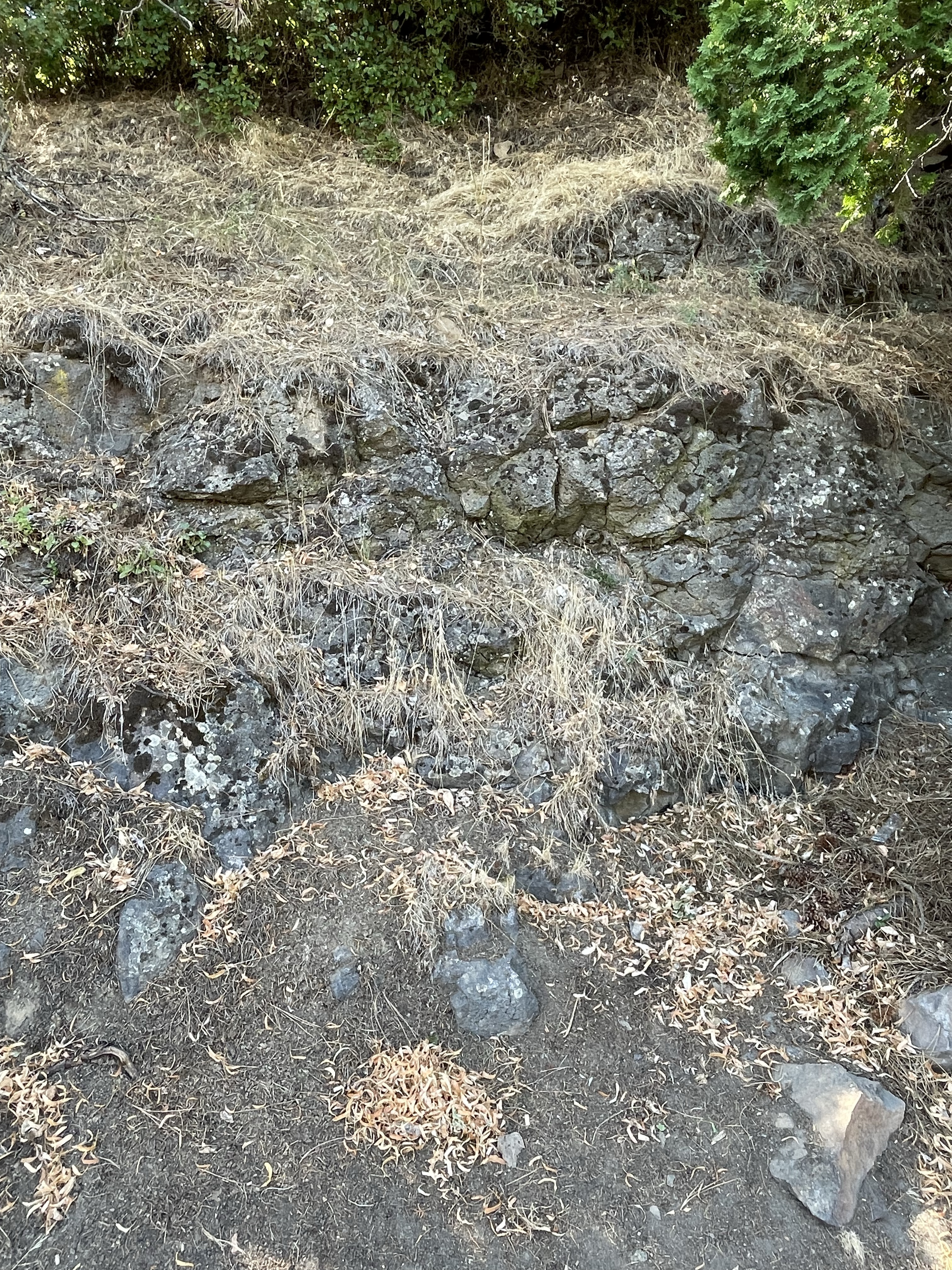
Figure 1. The parking lot at Motel 6 in Spokane exposed twenty feet of volcaniclastic deposits. This photo shows several features that will be discussed in this post. I will refer back to this figure later.
Figure 2. Exposure of vessicular lava to the left Fig. 1. This slope has been cut but not filled. Large cavities left by volcanic gasses are visible in the upper part of the photo.
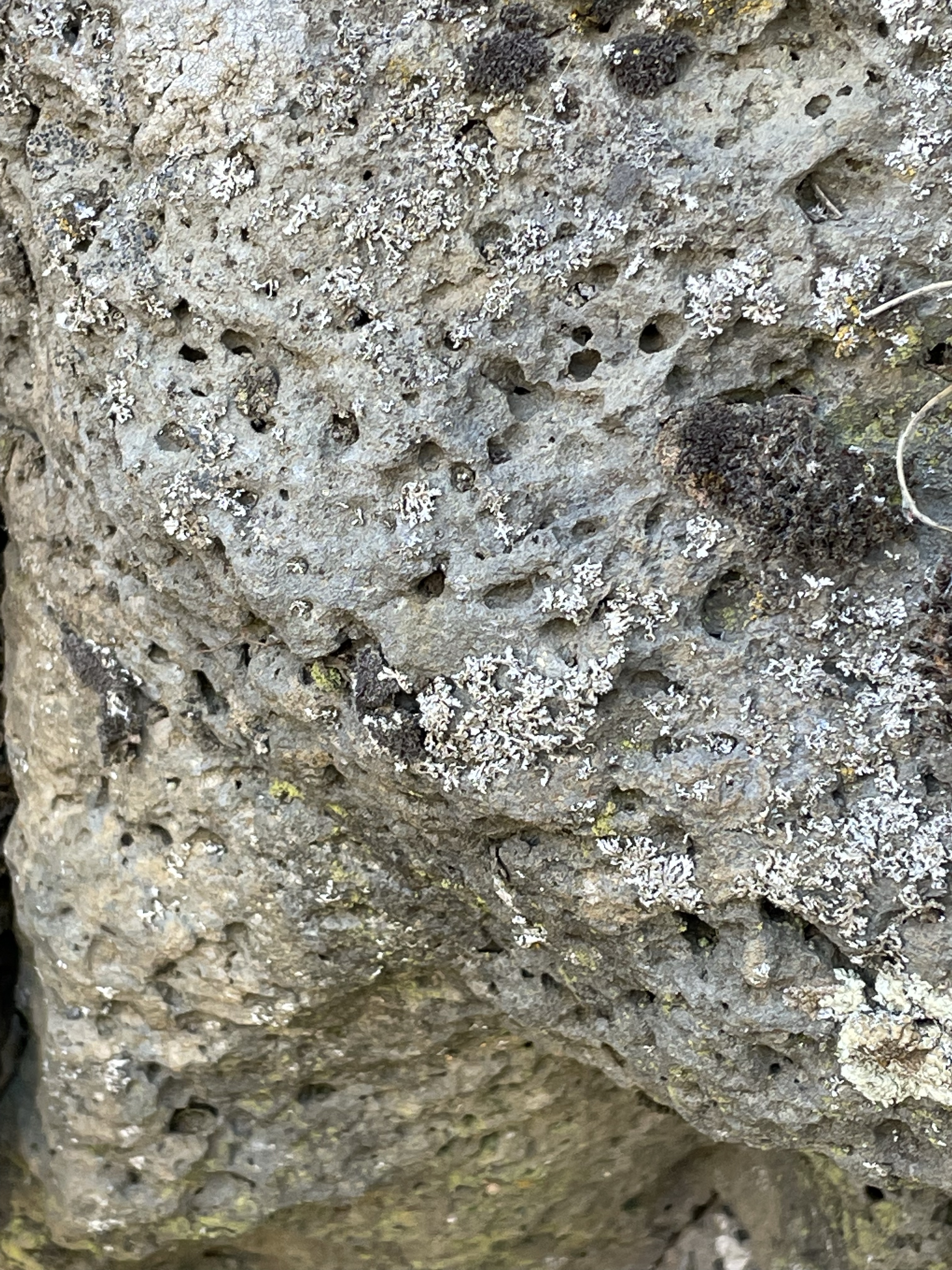
Figure 3. Large vesicles are visible throughout this part of the section exposed at the Motel 6 parking lot. I didn’t see any phenocrysts. This was a lava flow with low viscosity, filled with gases like carbon dioxide (CO2).
Figure 4. This image shows that the volcanic gases were not uniformly distributed. The thick layer in this photo had much smaller vesicles. The image also shows the complex bedding inherent in volcanic flows. It is important to note that there are no ash layers evident in this exposure. This lava flowed and didn’t sputter and congeal, finally blasting out of a volcano. It was very different from what we saw at Mt. Hood. This magma source contained much less silica (which makes magma sticky and explosive) than what we saw several hundred miles west in Oregon. (This image is about six feet in height.)
Figure 5. The top of this image reveals a different structure than we saw lower in the section. These rocks contain rounded boulders in a fine matrix. Look back at Fig. 1 and focus on the section to the left of the tree. The outcrop is lumpy (for lack of a better phrase), containing rounded boulders in a fine matrix, like we saw in the lahar flows at Mt. Hood. I admit that this is speculative without closer examination, but that’s what this blog is about. I think a thick (maybe ten feet) section of lava flowed from distributed sources (i.e. fractures and not central cones) under high pressure (hence the gas content) in a massive eruption. During hundreds, if not thousands, of years this lava was weathered and channels formed and led to both episodic and continuous erosion and transport in streams running across the volcanic landscape. I am not ignoring the absence of paleosols (ancient soil horizons); these lava flows are only a couple of million years old and climate wasn’t that different than today. During my traverse of the Columbia plateau, I noticed that soil was poorly developed in the current climate regime because the Cascade Mountains block moisture from the Pacific Ocean.

This post is a little weak but I wanted to show that we can find evidence of the earth’s history in our back yard (literally). My interpretation may be completely wrong but it is consistent with my observations and (limited) understanding of volcaniclastic deposits.

I’m going to look at some more curious volcaniclastic deposits tomorrow …

Leave a comment