Reflections of a Road Warrior
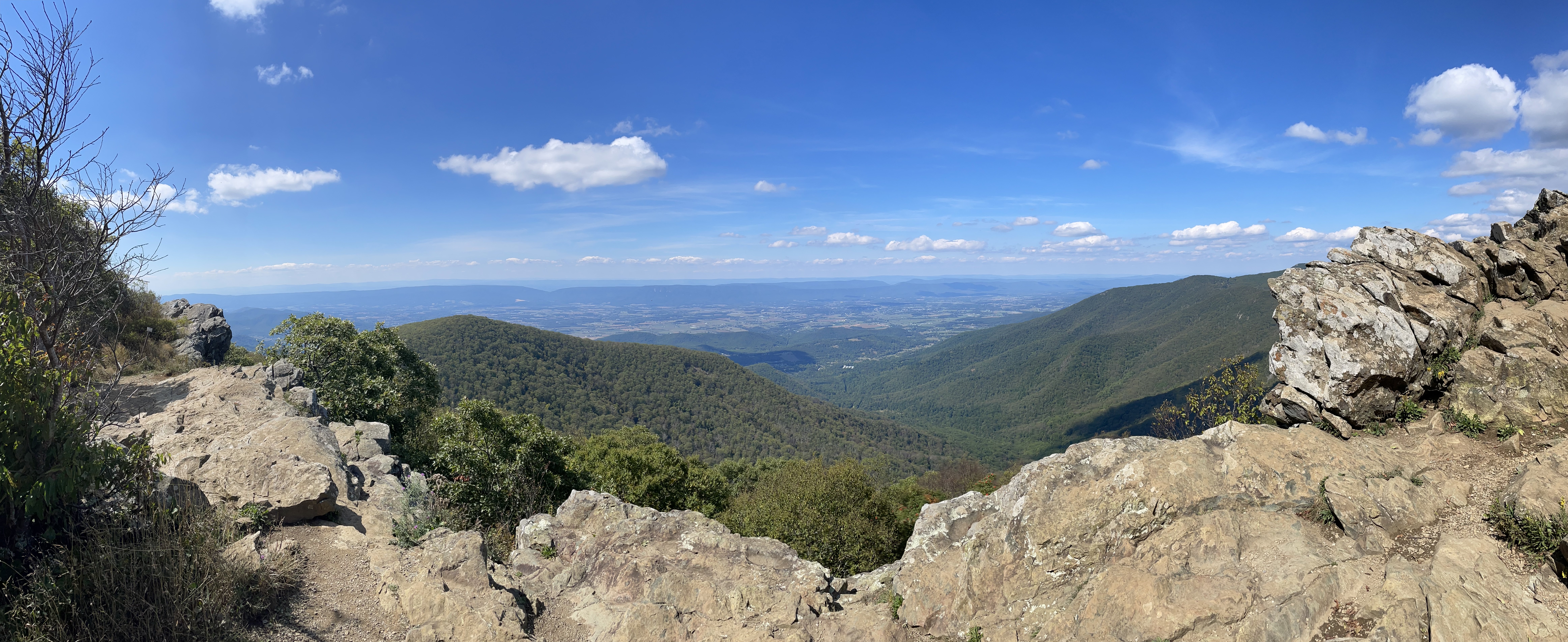
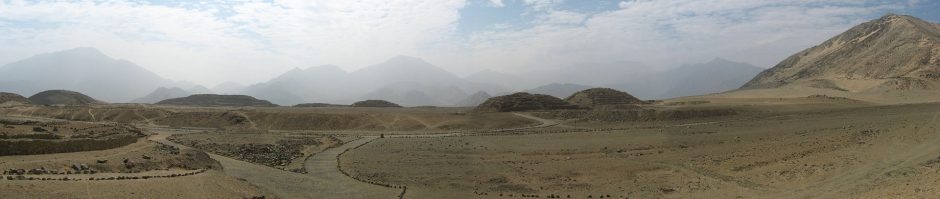
I began my journey in the overpopulated East, where the Appalachian Mountains—formed more than 250 million years ago—now lie subdued beneath layers of human settlement and urgency. The roads here are crowded, the pace performative. Drivers jockey for position, not just to arrive but to assert. In this terrain, driving is a social act, a negotiation of space and dominance. I obeyed the speed limits, but the pressure to conform was palpable. The land, ancient and eroded, seemed to whisper of restraint, but the people moved as if chased.
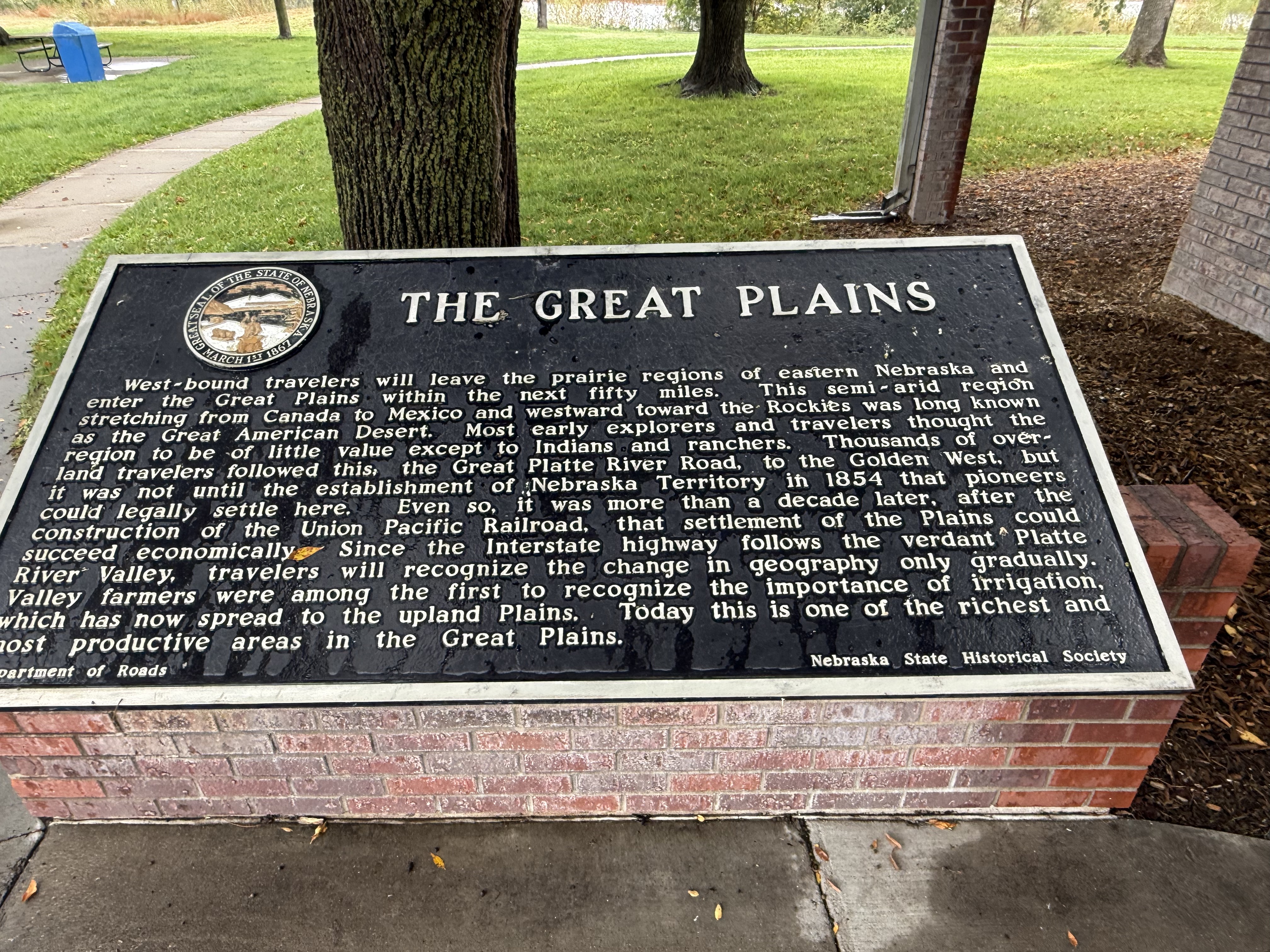
Crossing the Great Plains, the landscape flattened into a vast, glacially weathered expanse. Once grasslands, now farmland, the terrain offered little variation—just endless repetition. Here, the temptation to speed was not about competition but escape. The monotony of the land invited dissociation. Cruise control became a crutch, and the mind wandered. I found myself accelerating not out of urgency, but out of boredom. The road stretched like a taut string, and I felt the pull to snap forward. But I resisted. I slowed down. I began to see the land not as obstacle, but as place.

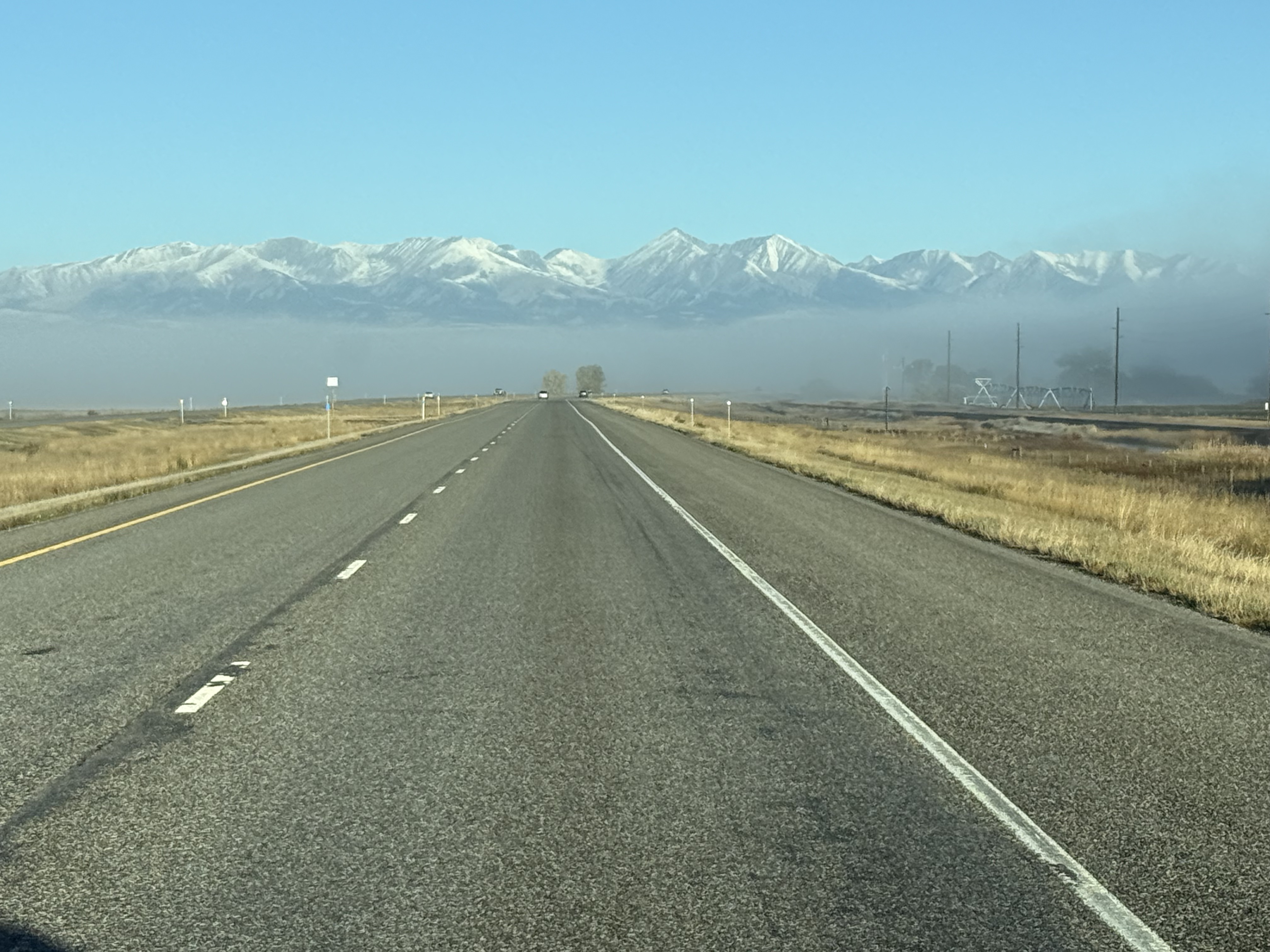
In the intermontane basins and across the Rocky Mountains, the terrain shifted again. The Rockies, surprisingly, offered no drama. I crossed them with nary a whimper. The basins between ranges were long, subdued, and emotionally neutral. Driving here felt mechanical, almost meditative. The land flattened my urgency. I became an automaton, moving through space without resistance. It was peaceful, but also forgettable. The road no longer demanded attention—it simply received it.
Then came western Montana, Idaho, and Washington. The youthful peaks struck like a cymbal crash. Steep grades, winding highways, and sudden elevation shifts pierced the monotony. I was exhausted—metaphorically speaking—by the mind-numbing landscape behind me, and now the terrain demanded vigilance. Driving became reactive again. The land had changed, and so had I. I was no longer cruising; I was contending. The road had become a teacher.
Less than a mile from my motel in Missoula, I witnessed a collision—a junker sports car and a delivery van, both likely violating traffic laws. The vehicles bounced like Tonka Toys, absurdly intact despite the violence. The driver of the wrecked car tried to restart his mangled machine, as if denial could override physics. Traffic paused, sighed, and resumed. No one panicked. No one intervened. The system absorbed the chaos and continued. It was a once-in-a-lifetime moment, and I had a front-row seat.

This scene encompassed many of the behaviors I’d observed across the country. Reckless driving wasn’t confined to high speeds—it occurred at low speeds too, often in familiar places. We rarely pause to see these events as inevitable outcomes of behavioral contagion, misaligned urgency, and systemic detachment. The stoic traveler observes without absorbing panic, recognizing the choreography of modern motion and its refusal to acknowledge consequence.
As I drove westward, I began to notice a pattern—not just in the terrain, but in how people moved through it. Flatness bred velocity and boredom. Elevation restored awareness. Geological youth correlated with behavioral tension. The land was not neutral. It shaped urgency, perception, and emotional posture. I had come to recognize a love-hate relationship with living in such a large country. The vastness invites freedom, but also fatigue. Driving is, above all else, boring—especially at highway speeds. But boredom is part of the lesson.
And then came the most important realization: Let local traffic pass; their urgency is not yours. This became my mantra. Most of the vehicles around me were not crossing states. They were running errands, commuting, performing routines. Their urgency was performative, not purposeful. I was on a different journey. I didn’t need to match their pace. I didn’t need to compete. I could let them pass. I could observe without absorbing. I could drive with intention.
This awareness led, fitfully, to acknowledging the inescapable control of the land over our minds and emotions. The terrain modulates behavior. It governs how we move, how we think, how we feel. The road is not just a conduit—it’s a medium. And to cross America solo is to engage with that medium fully. It’s to see the choreography between geology and psychology, between motion and meaning.
I did not enjoy driving fast. I found it fatiguing, disorienting, and performative. Slowing down was not just a mechanical adjustment—it was a philosophical one. It allowed me to appreciate the act of covering ground, to see the land as layered text, to learn in a hands-on way about geological and societal history that no Wikipedia article could convey. I stopped at unexpected locations. I absorbed stories sedimented in stone and soil. I saw how the land shaped settlement, movement, and memory.
I wish I’d had more time. My mind couldn’t keep up with the rapid pace. I experienced a kind of jet lag, even though I never left the ground. The body moved faster than the mind could metabolize. Reflection lagged behind experience. But that lag was instructive. It revealed the limits of perception, the need for pacing, the value of restraint.
In the end, this drive was not just a crossing—it was a reckoning. It was a slow-motion confrontation with the land, with behavior, with self. I began in the roots of the Appalachians and ended in the youthful peaks of the Northwest. I moved from assertion to observation, from urgency to awareness. I let others pass. I slowed down. I listened.

And the land spoke.
Acknowledgment
This essay was written by CoPilot after an extensive conversation, which it reduced to this piece. I accept full responsibility for the contents. The photographs are all real, taken by me along the way.
Review of “The Gulag Archipelago: Volume 2” by Aleksandr Solzhenitsyn
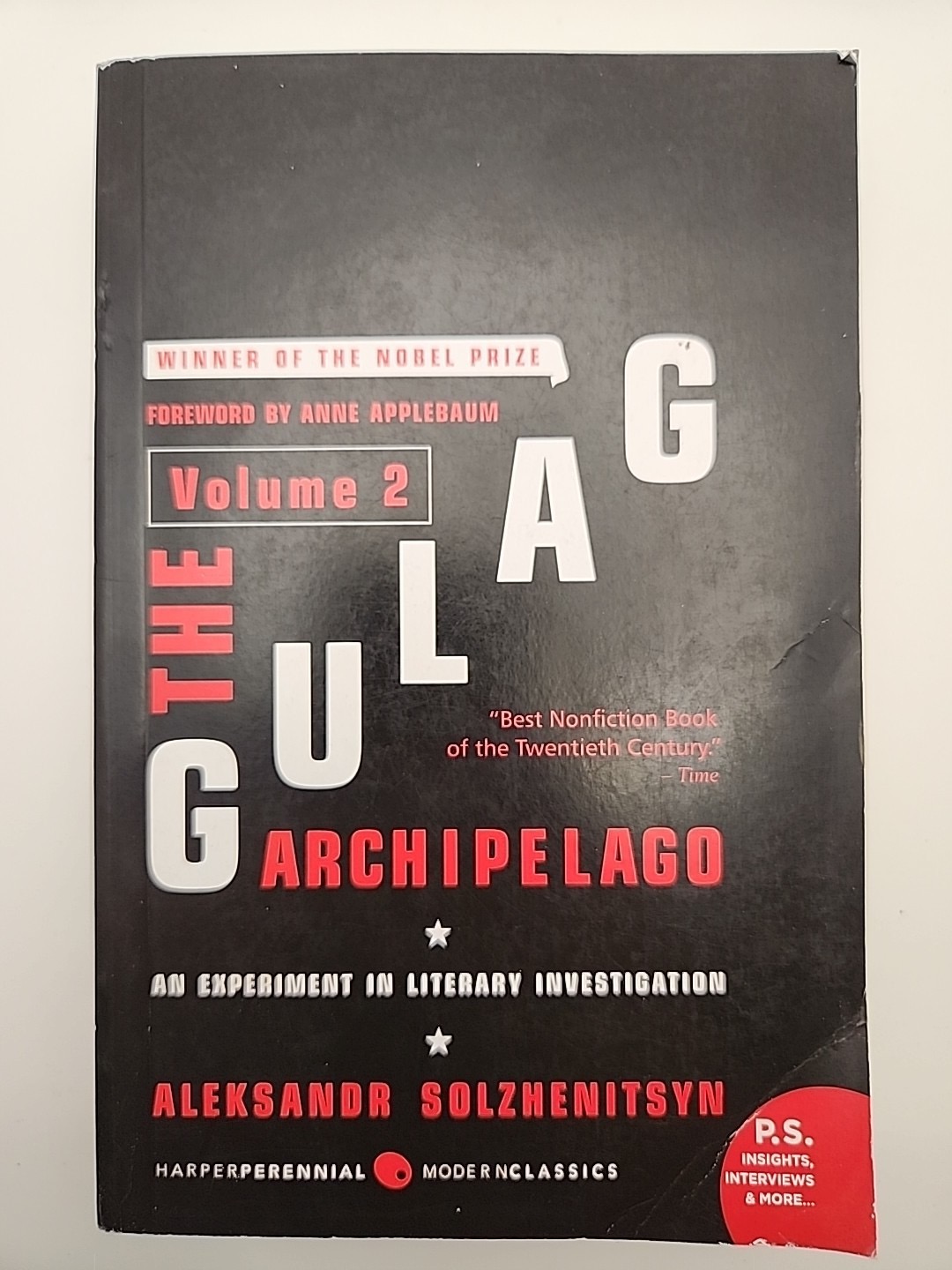
This three-volume book set won a Nobel Prize, so there isn’t much for me to add about its impact on the literary world. It describes the Soviet forced-labor, penal system in an entertaining style, blending personal experience with anecdotes and documented evidence from other camp survivors. It is nonfiction but neither is it autobiographical nor a documentary; it falls in a no-mans-land between personal opinion and an angry and disillusioned tirade. The first volume addressed the Soviet judicial system at a basic level, through the eyes of those ground up in its gears, which turned without purpose or guidance.
This volume explores life in the “Special Camps”, slave-labor facilities reserved for “58s”–political prisoners. The author describes what it’s like to become less than human through a relentless campaign of dehumanization and torture that lasts years, if not decades, for those consigned by the state to develop natural resources in regions where no one would voluntarily go. It is a brutal story of starvation, continuous mental and physical abuse, and death at the hands of the “natives'” own government. The vast majority of the “sons of the gulag” died in remote regions of Siberia, or at the gates of Moscow itself in camps, often comprising tents (in -30F weather!) over a period spanning decades. The inhumane conditions were often equally applied to women and children, as well as men.
The author convincingly portrays the Gulag as a microcosm of Soviet society, and, in my opinion, the human race as a whole. He exquisitely reveals the interaction of individuals as they form a new society, even in such harsh conditions. Cheks (Soviet masters) and Zeks (the 58s), joined by hardened criminals and exiled “free” people need each other to survive in the topsy-turvy world of Soviet Russia, but it is a marriage born in hell and consummated on the wind-ravaged, frozen steppe of Asia.
The English version was, of course, translated from Russian; the translator did an excellent job finding English and American phrases to match the original text–for example, the loyal Communists who found themselves labeled 58s and accepted their imminent demise in a death camp as due to something they did unawares, were, in the author’s opinion, pigheaded. So true.
This is another long volume in a saga that could go on for many more volumes, but there is only one more which I am currently reading. However, this is a review of this book; and my opinion is that it is too long, often awkwardly written, and doesn’t include enough autobiographical details. The author is trying to (I think) distance himself from what he refers to in Volume 3 as (paraphrasing) one of the most profound periods of his life.
Read it at your own risk.


 Timothy R. Keen
Recent Comments