The Absurdity of City-States in an Age of Great Powers
In the theater of modern geopolitics, few roles are more paradoxical than that of the city-state. These micro-polities—compact nations dominated by a single urban center—often perform the rituals of sovereignty with grandeur disproportionate to their scale. They host embassies, wage influence campaigns, even project cultural or military force beyond their borders. But beneath the choreography lies a structural contradiction: they are actors on a global stage, delivering lines written by great powers.
The absurdity arises when city-states adopt grand ambitions or civilizational narratives while operating under strategic conditions that belie those aspirations. Whether their power is technological, financial, or ideological, their survival hinges not on independence but on the tolerance—or patronage—of larger states.
The Fiction of Sovereignty
To exist as a sovereign entity in the 21st century requires more than a flag and a central bank. It requires depth—geographic, demographic, and institutional. Modern city-states often lack all three. Their borders are tight; their populations small and sometimes imported; their economies specialized and vulnerable. They rely on shipping lanes they do not control, currencies they do not print, and security umbrellas they do not command.
And yet they persist, often more visibly and noisily than many larger states. This persistence is not proof of strength but of systemic accommodation—a kind of geopolitical performance art. They are the strategic fiction the world has agreed to believe.
The Typology of Fragile Giants
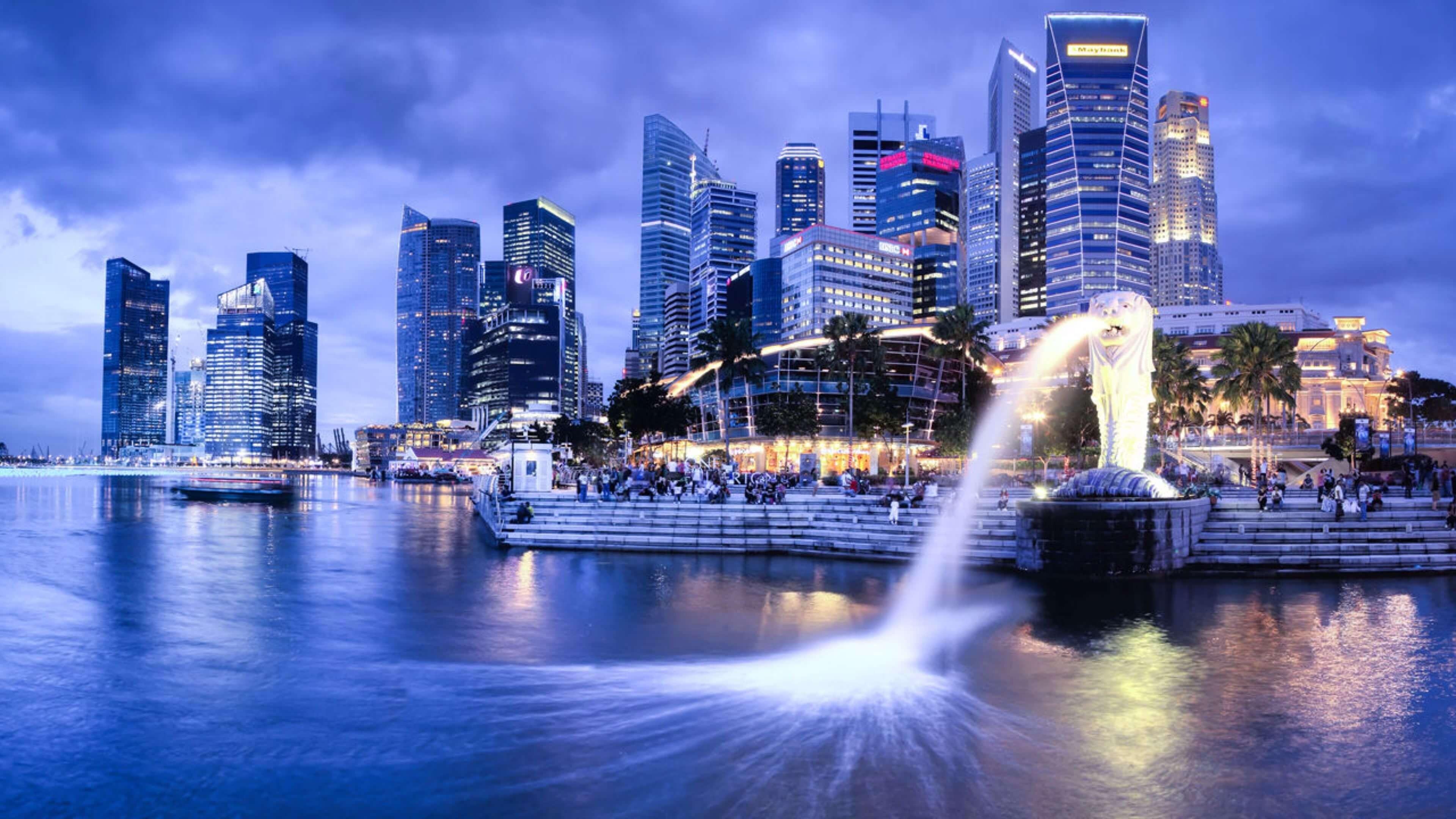
Across the globe, city-states come in many forms. Taiwan is a de facto independent democracy with a thriving economy, claimed by China and recognized diplomatically by almost no one. Singapore is a gleaming trade hub with authoritarian undercurrents, powered by global capital and encircled by larger neighbors. Monaco and Vatican City survive by pageantry and patronage, their sovereign theatrics tolerated for their symbolic or financial utility.
Even resource-rich examples like Qatar or Kuwait rely heavily on U.S. military protection, their independence underwritten by oil flows and foreign bases. Hong Kong, once a dazzling example of dual identity, has already been absorbed by its mainland sponsor. The list expands: Dubai, Macau, Gibraltar—all emblematic of the same paradox. Grand architecture, global relevance, and strategic vulnerability coexist in uneasy truce.
| City-State / Micro-State | Patron Power | Strategic Role | Absurdity Vector |
|---|---|---|---|
| Taiwan | United States | Semiconductor hub, democratic identity | Claimed by China; indispensable yet diplomatically isolated |
| Singapore | Global finance / U.S. | Logistics & trade nexus | Liberal branding with limited pluralism, reliant on capital flows |
| Israel | United States | Military bastion, ideological project | Sovereign yet dependent; democracy coexisting with occupation |
| Hong Kong (pre-2020) | U.K. (legacy), China | Financial gateway | Dual system collapsed under imperial consolidation |
| Dubai | UAE / Global capital | Spectacle, trade, soft power | Imported labor and environmental unsustainability |
| Doha (Qatar) | U.S. military / OPEC bloc | Energy diplomacy, media soft power | Tribal rule disguised as global diplomacy |
| Vatican City | Catholic diaspora / Italy | Spiritual symbolism | Sovereignty without economy or enforcement power |
| Gibraltar | U.K. | Naval and fiscal outpost | Colonial vestige amid post-colonial rhetoric |
| Monaco | France / European elite | Tax haven, luxury statelet | Sovereignty performed for capital and spectacle |
| Kuwait | U.S. military umbrella | Buffer state and oil conduit | Independence reliant on permanent external defense |
Israel: The Paradox at Full Volume
Among this constellation, Israel is the most geopolitically volatile. While not formally a city-state by landmass, its strategic center—Jerusalem and the Tel Aviv corridor—functions like one: hyper-centralized, fortified, globally enmeshed.
Israel is often described as the third kingdom around Jerusalem, following the Biblical monarchy and the Crusader state. Each was defined by sacred memory, siege mentalities, and patronage from distant powers. Today’s Israel continues that pattern: existentially threatened, externally funded, and narratively burdened.
Its contradictions are legion: a democracy that rules over a disenfranchised population; a beacon of Western values embedded in a region that never consented to its reappearance; a military superpower that constantly invokes existential peril. Its ideological core relies on permanence, yet its strategic logic is emergency-driven and externally buffered.
Great Power Dependencies, Performed as Autonomy
Israel exemplifies the absurdity of asserting unilateral sovereignty while depending on another power’s military technology, diplomatic shielding, and financial commitments. Its nuclear ambiguity is matched only by its moral ambiguity: a project of liberation that reproduces the machinery of occupation.
This is not unique. Taiwan depends on the shifting resolve of American foreign policy. Singapore’s independence thrives only within a globally stable order. Qatar and Kuwait claim bold sovereignty under foreign military umbrellas. These city-states are not inherently weak, but their structural independence is performative. Their strength lies in navigating an order they do not control.
Myth as Policy, Pretense as Posture
City-states often rely on founding myths—return, destiny, efficiency, divine favor—to compensate for their precarity. Israel’s myth is perhaps the most powerful and perilous. But myths cannot intercept missiles, nor reconcile internal contradictions. They can only delay reckoning.
That delay is costly. It encourages rigidity, precludes reform, and masks fragility. As the narrative drifts further from strategic reality, overreach becomes likely, and dependency becomes denial.
Conclusion: Sparks on a Powder Keg
In a world where great powers still define the rules—through blocs, treaties, markets, and weapons—the city-state is an anomaly dressed in sovereignty. Its flag waves high, but the ground beneath it belongs to someone else’s system.
The danger is not only absurdity. It’s ignition. When a small, hyper-exposed, myth-laden state stumbles into conflict, it can draw great powers with it. Taiwan and China. Israel and Iran. Qatar and rival Gulf regimes. What begins with a border clash or aerial strike may end with fleets, alliances, and conflagration.
City-states are not just relics of the past or marvels of efficiency—they are theater perched atop dynamite. And in the age of great powers, the match is never far from the stage.


 Timothy R. Keen
Recent Comments